Henry Petroski’s op-ed in the New York Times last week has made the rounds, and it’s the kind of thing that–on its surface–I’m all about:
Our 60-year-old home is an example of how infrastructure can be built to stand strong, age gracefully and be almost maintenance-free. The foundation sits firmly on solid granite. From the full basement you can see how the exposed beams, joists and underside of the flooring were made of good wood, built to last.
When I see a commercial building under construction today, I see nothing like this in the materials and workmanship, perhaps because it is simply a function of finance, expected to survive only until it is fully amortized in a company’s budget.
Hear, here, right? Petroski is one of my heroes–his books on engineering and in particular on the role of failure in design have been inspirational, and I use his examples all the time in my teaching. So the first few times I saw this in my inbox over the weekend I was smugly happy to see the culture of cheap, shoddy building that amortizes quickly and represents a “waste of resources” that “will not last” come in for a very public comeuppance.
But the more I’ve read this piece over the weekend, the more troubled I am about a couple of things. First, Petroski goes right after “workmanship,” conflating “inferior products” with “less skilled labor” to describe the state of American construction today. Anyone who’s worked on a job site knows that this is both totally true and totally untrue depending on the day of the week. There’s no measure for “workmanship” that we can point to, but I’d argue that–compared to, say, the 19th century–the quality of building stock today is far better. While I totally agree with Petroski’s lament about new residential construction (decaying vinyl siding and off gassing drywall, for instance), the well-crafted homes of the past that he refers to are examples of survivor’s bias; the really atrocious homes of those days are long-since gone. Slum tenements, rural shacks, firetraps of apartment buildings in major cities–all of these have been replaced, while the best-crafted examples are the ones we look at today and imagine as standard housing from the past. (See Jordan Ellenberg’s great How Not to be Wrong for a great explanation of survivor bias…) Building codes and industry standards have ensured that the average house of today is better built, safer, and sturdier than the average house of 1900.
But the other problem, more serious, I think, with Petroski’s column is whom he blames. In mixing up residential construction with infrastructure, he ends up calling on “homeowners, project managers and legislatures alike” to “call to account suppliers and contractors who do not produce the quality of materials and work they promise.” This, I think, unfairly blames builders for our problems with collapsing bridges, shabby housing, and potholes that reappear within weeks. What Petroski fails to note is that all of these things cost money, and the budgets for quality construction in the public and private spheres have imploded over the last forty years. Maintenance budgets, too, have been slashed by public institutions desperate to meet politically-minded budget cuts, donors fund new construction with no endowments to maintain their named buildings, and homeowners purchase more house than they can afford to buy, much less maintain. It’s not that builders, contractors, or craftsmen are necessarily worse than a hundred years ago. It’s that their clients, in particular public ones, have stopped asking for their best, and have stopped taking care of the things they make.
Blaming “cheaper labor” and “inferior new materials” sounds awfully grumpy, particularly when Petroski demands “almost maintenance-free” infrastructure. There ain’t no such thing, and the unglamorous, unfunded task of keeping up the nice things we do have is just as big a problem. It’s money, not a mythological lost “workmanship” that determines the quality of our infrastructure. That lovely cedar siding he mentions needs a good coat of paint every twenty years…
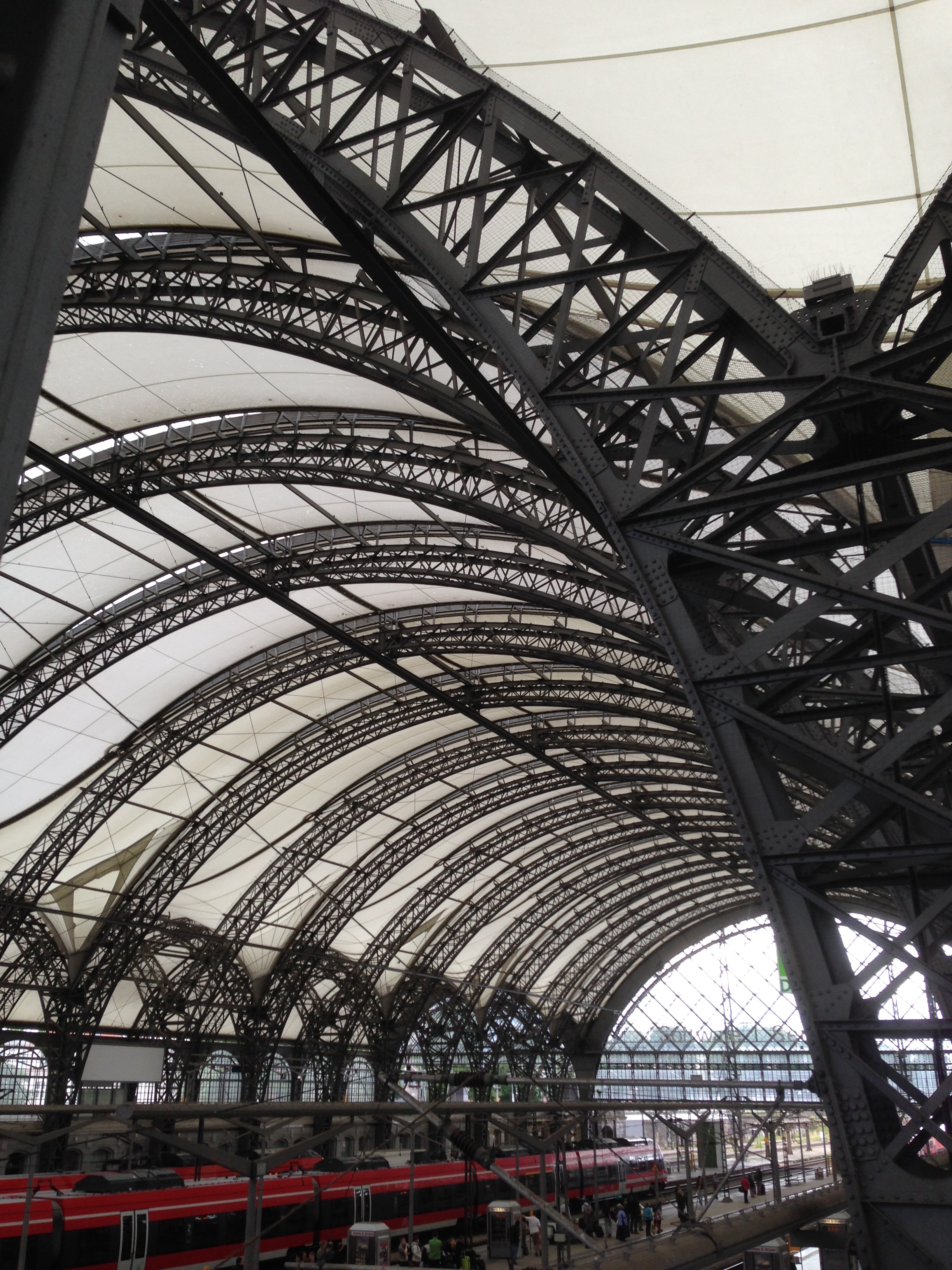
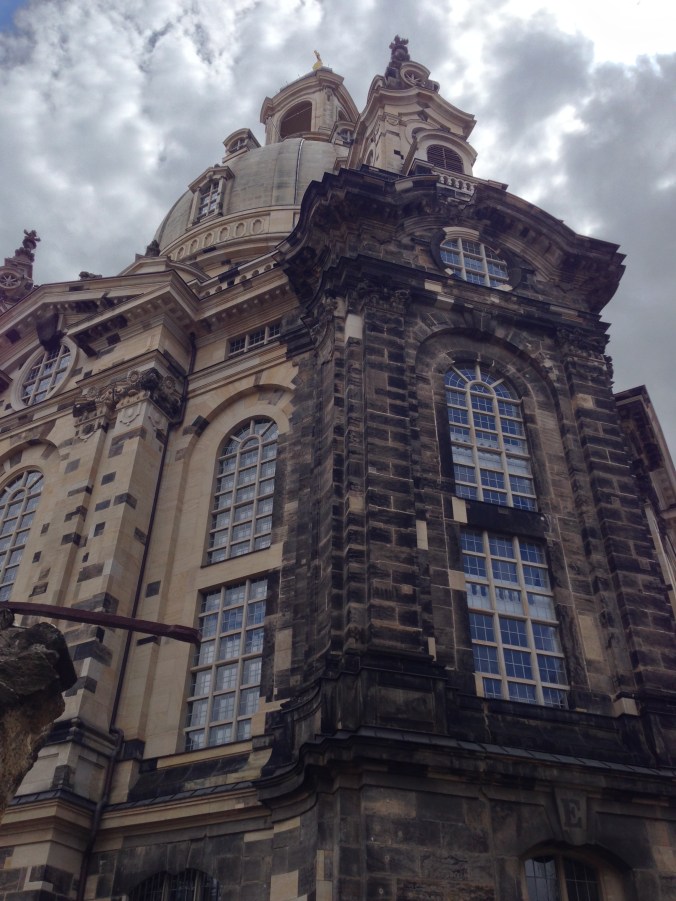 Just a quick note…I’m on a two-week European coda, backpacking with my daughter through her choice of cities and enjoying the chance to be a tourist. But along the way…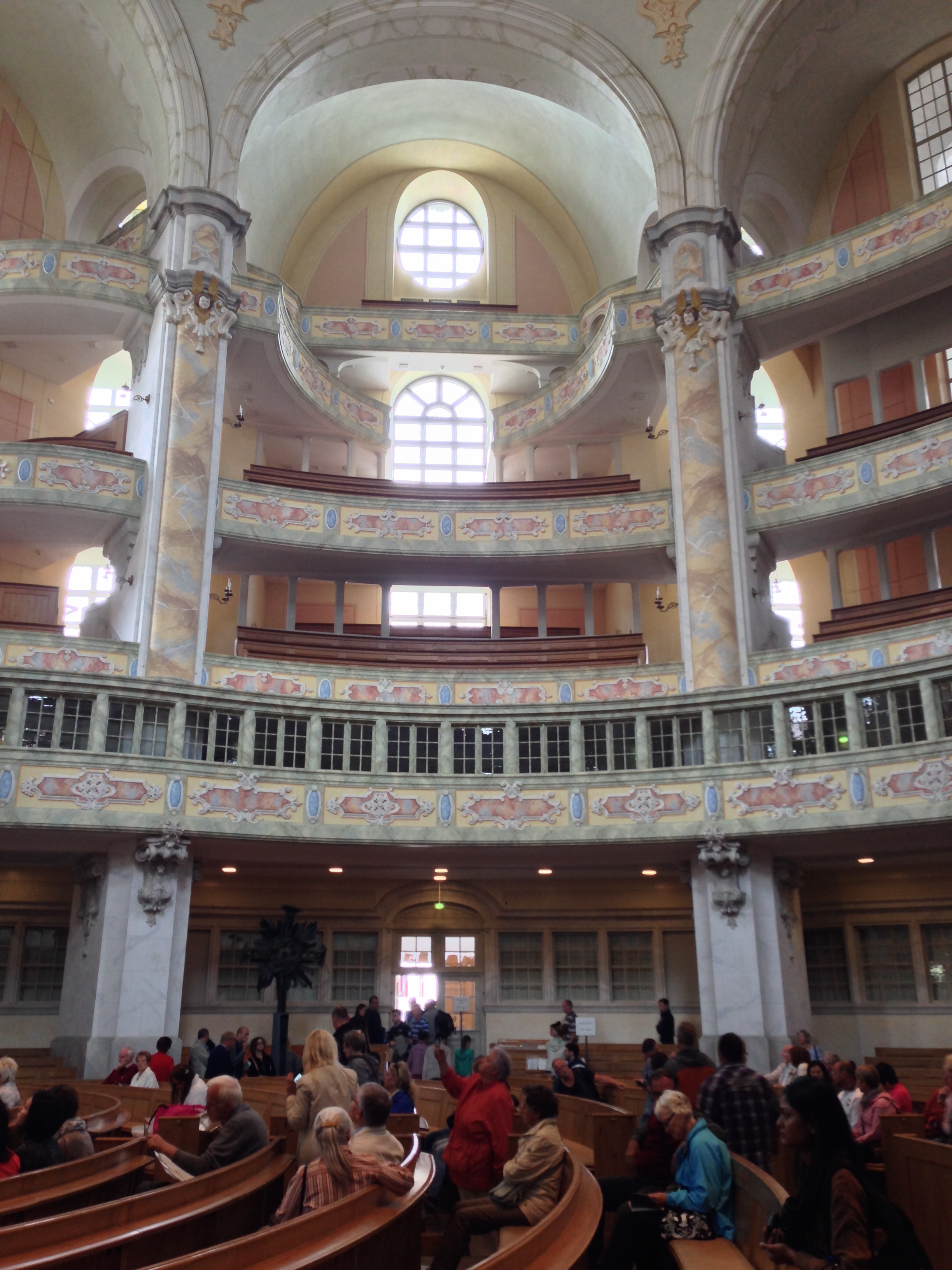
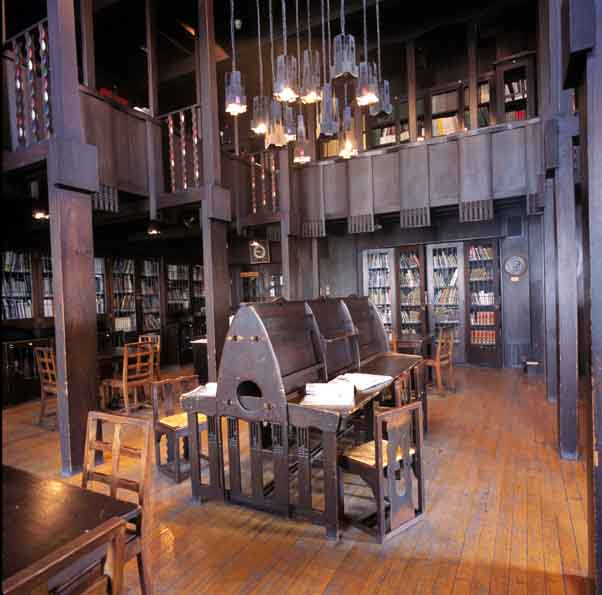 The horrific news about the loss of Glasgow School of Art’s library in a fire last month is slowly becoming worse. The School itself has praised firefighters for containing the blaze, pointing out that most of remaining building emerged with only minor damage. But that is small comfort compared to the loss of “Scotland’s Sistine Chapel.” And details have emerged over the last couple of weeks that make the incident all the more tragic and–depending on your point of view–scandalous.

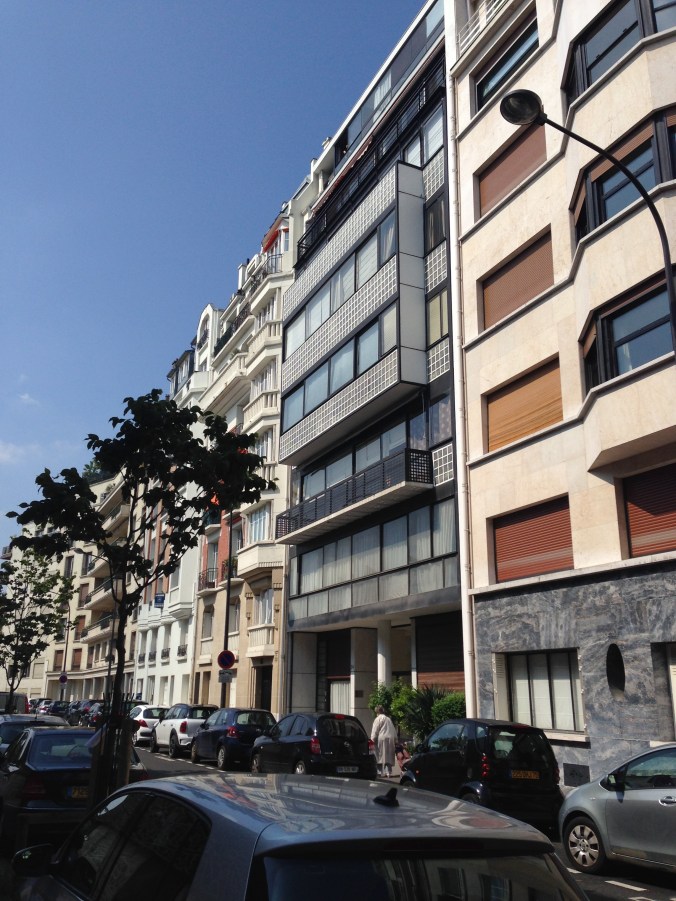 And then there’s Corbusier. The UNESCO correspondence includes discussion about Corbusier’s involvement, including the remarks of one anonymous juror who noted–in 1951!–that Corb hadn’t actually built all that much by that point. That seems incredible, but it wasn’t entirely untrue. His CV had about sixteen houses (admittedly, some of them being the most important houses of the 1920s), the temporary Pavilion Esprit Nouveau, three apartment buildings, and the Centrosoyuz in Moscow. He’d consulted on the Brazilian Ministry of Education with Niemeyer, and was working on what would become his most important projects–Ahmedebad, Chandigarh, the Unité d’Habitation, and Ronchamp. But his reputation at that point, before the flood of acclaim that came with the projects then in progress, was largely as a writer and provocateur.
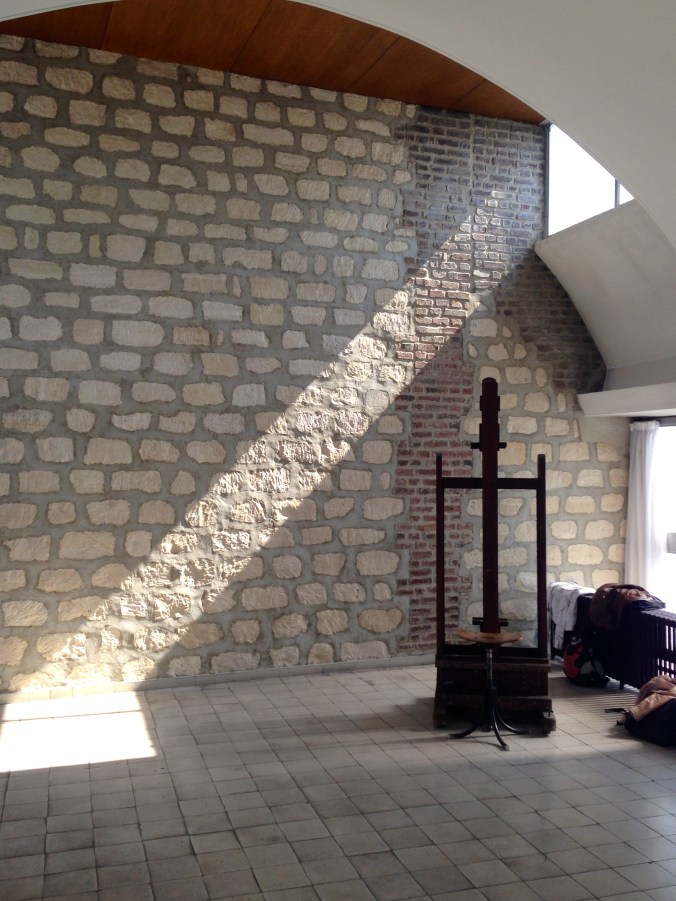 Corbusier, as my students will know, is a problem for me. He was an ideas person, his philosophy really the Beaux-Arts in modern guise. Once the form and space were worked out, he seemed to lose interest in what those forms were made of, and a lot of his buildings show the results of truly thoughtless execution. Mies believed God was in the details; Corbusier was an atheist.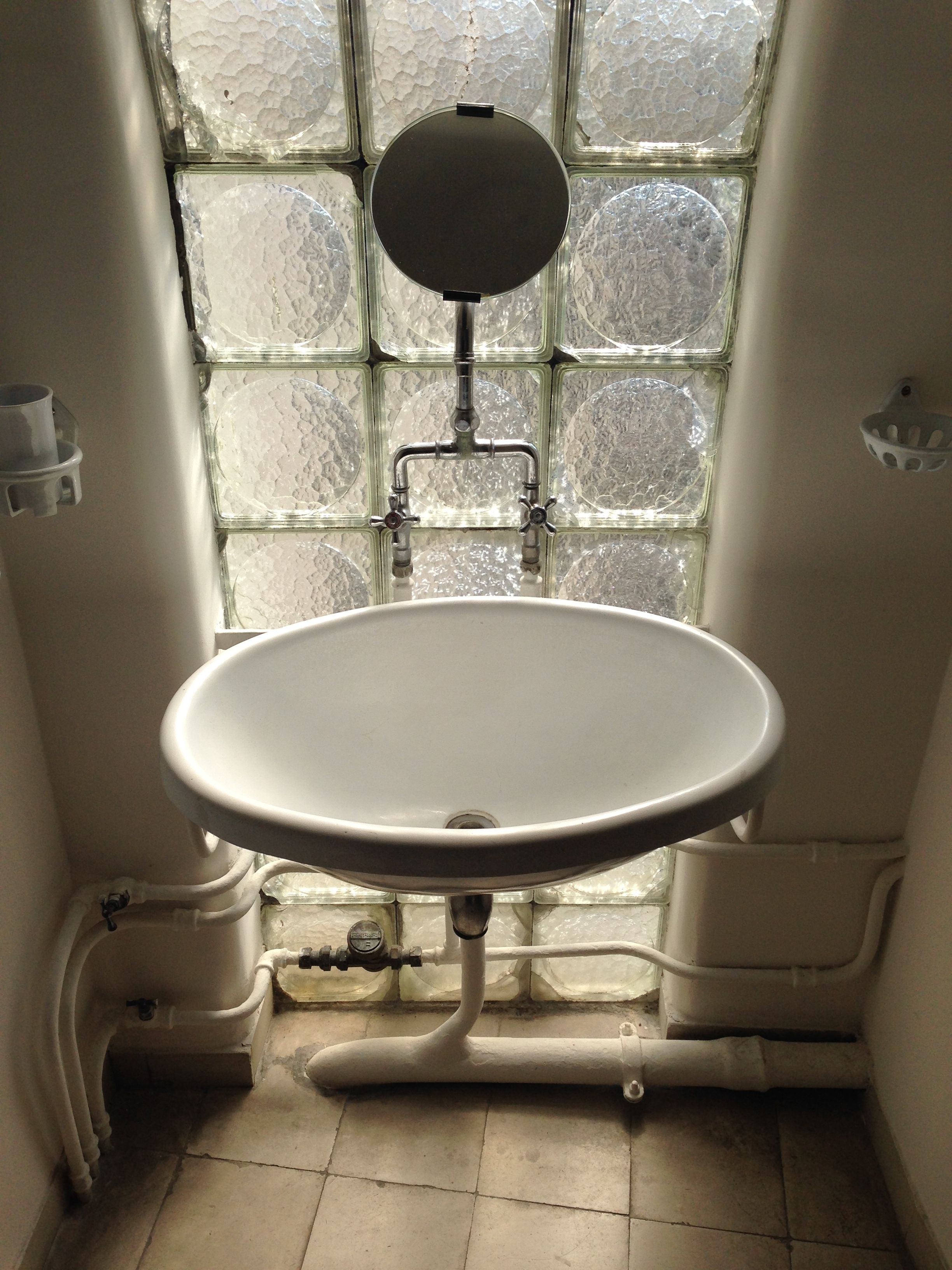
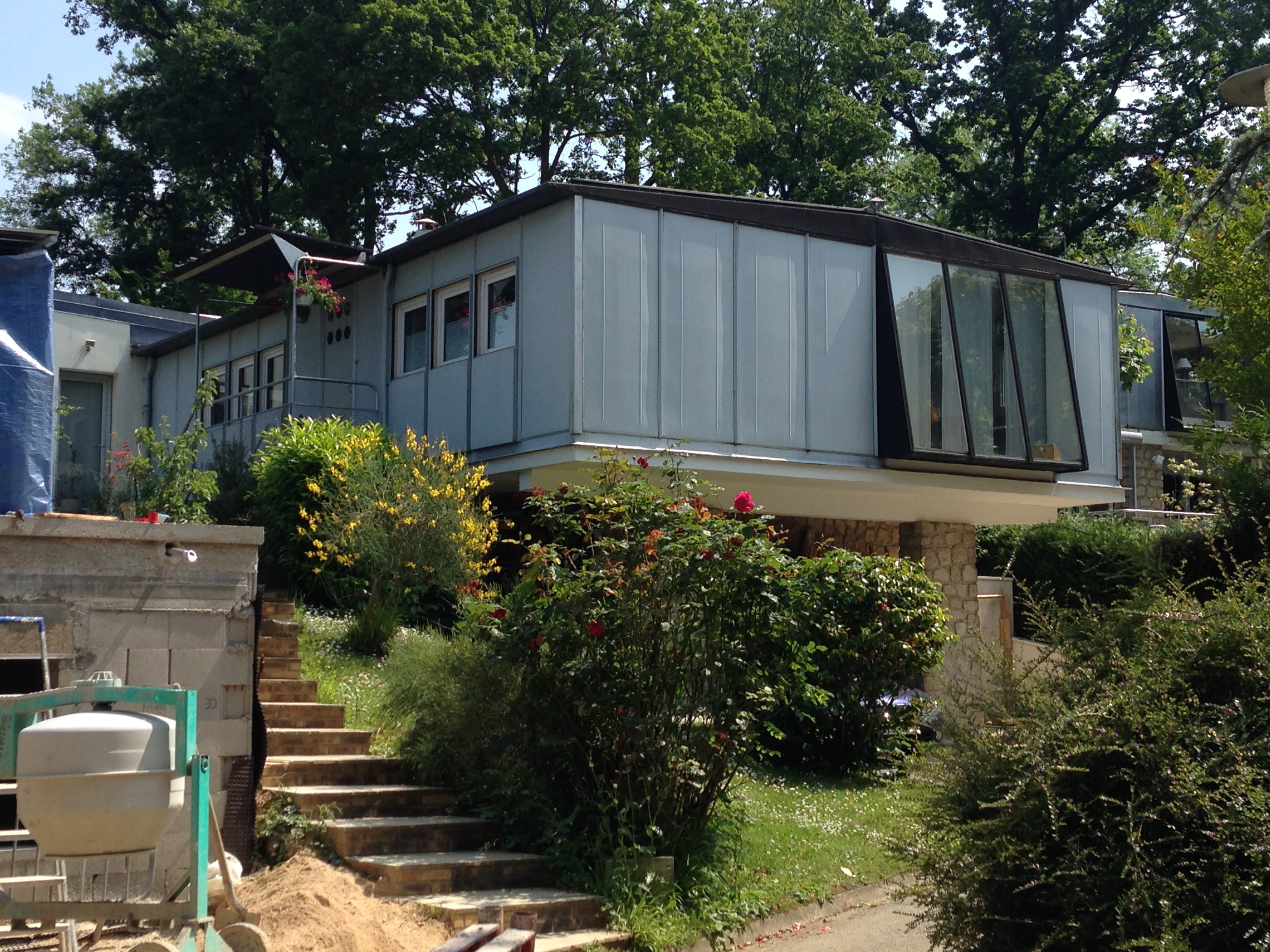
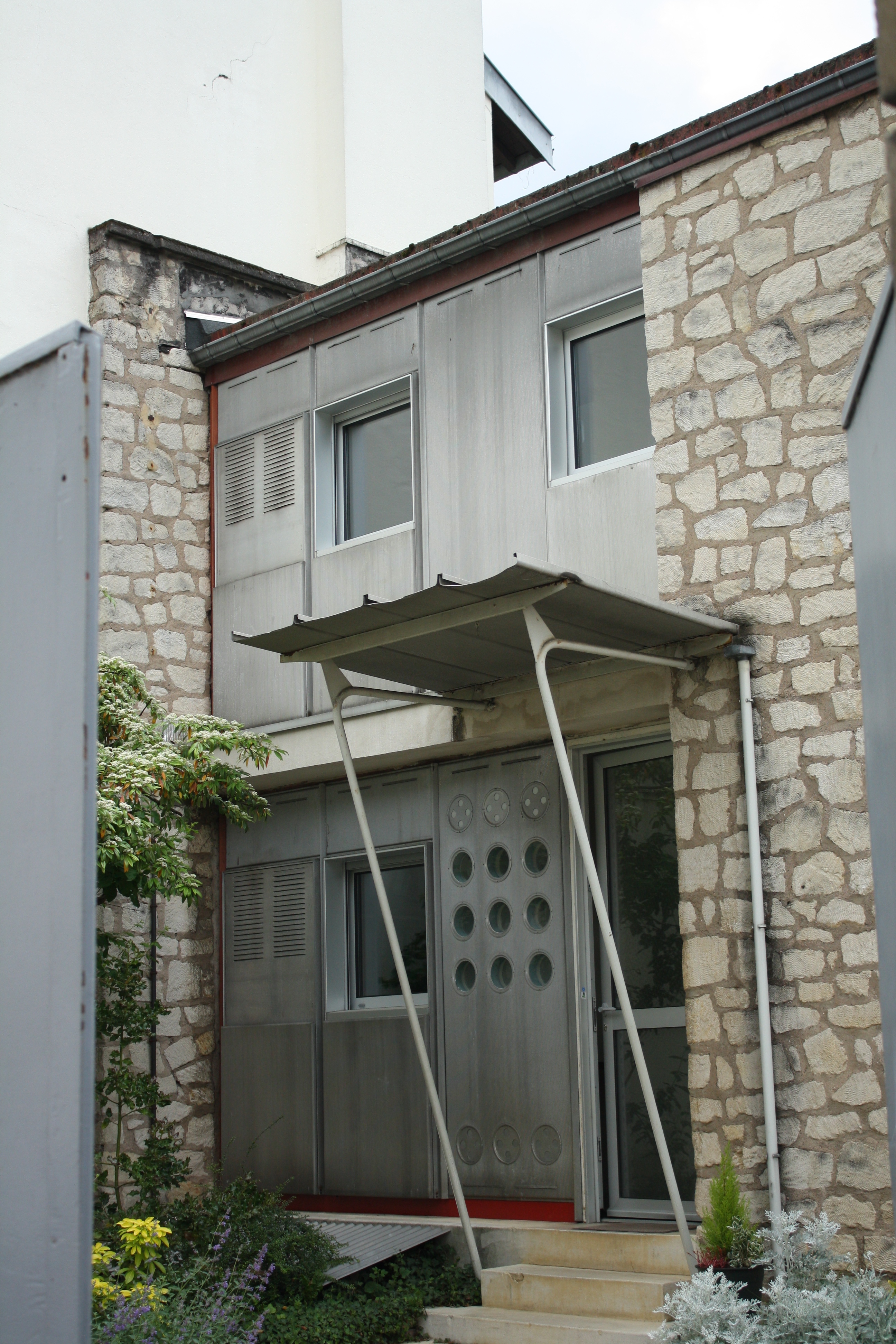
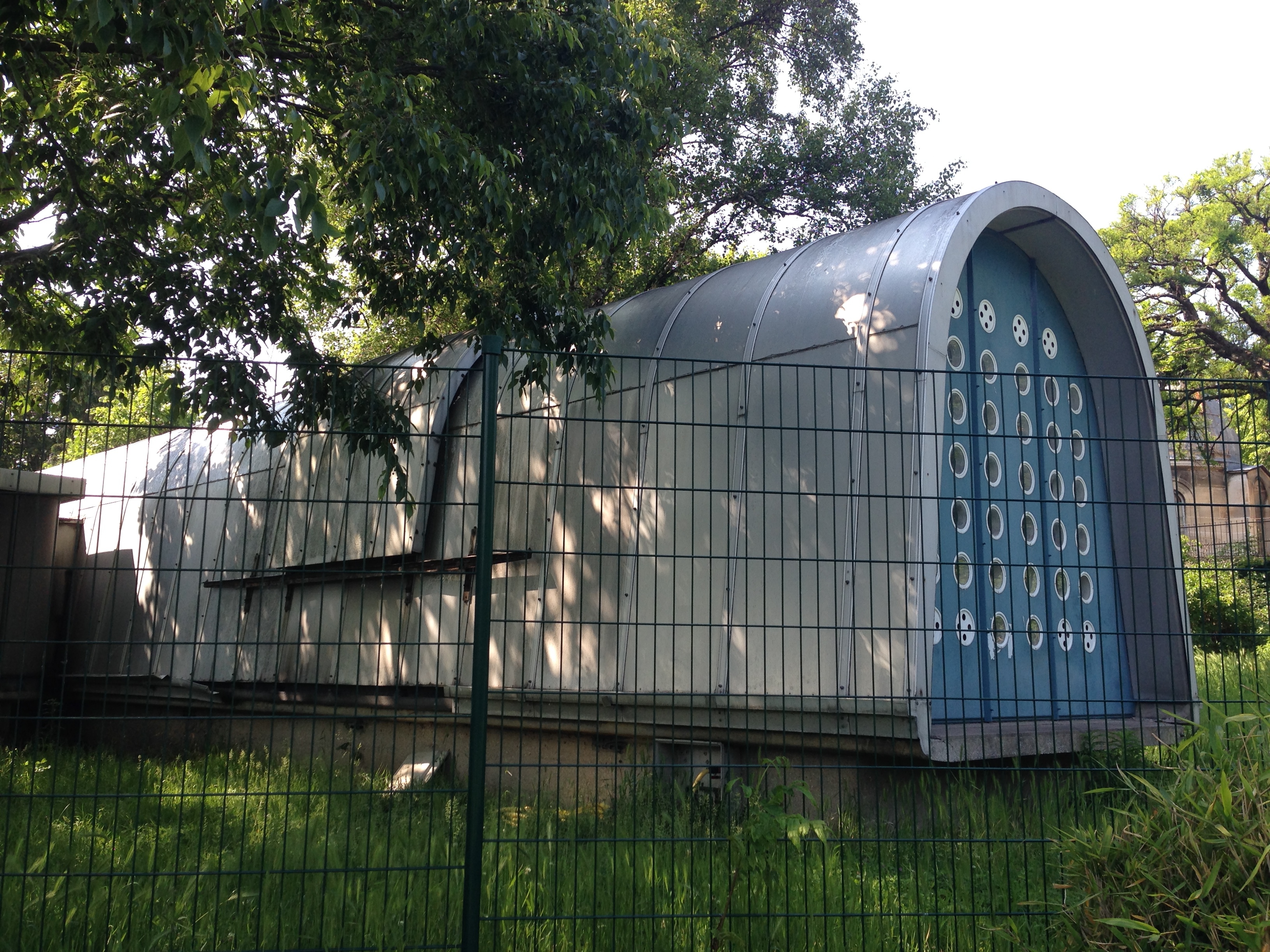
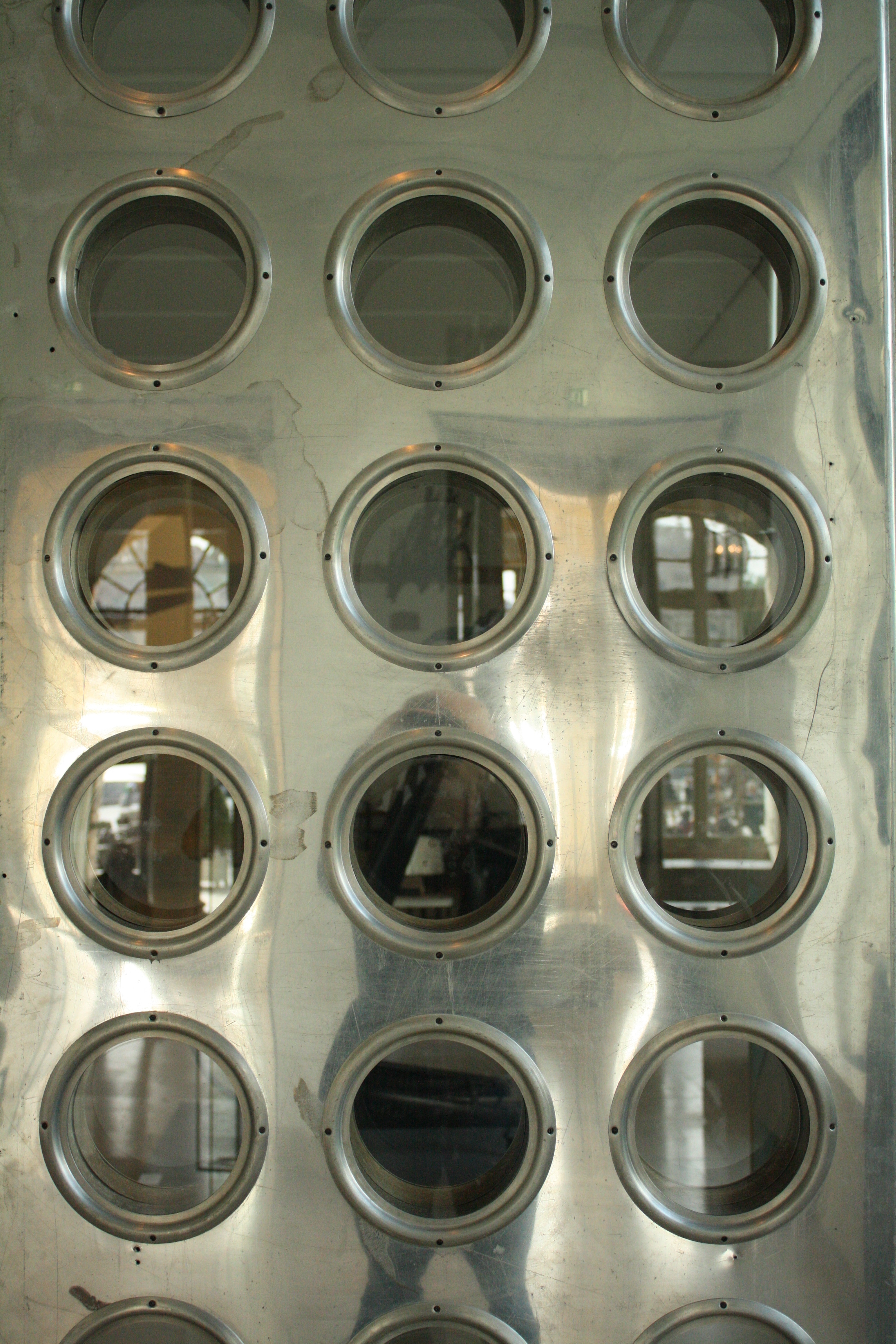
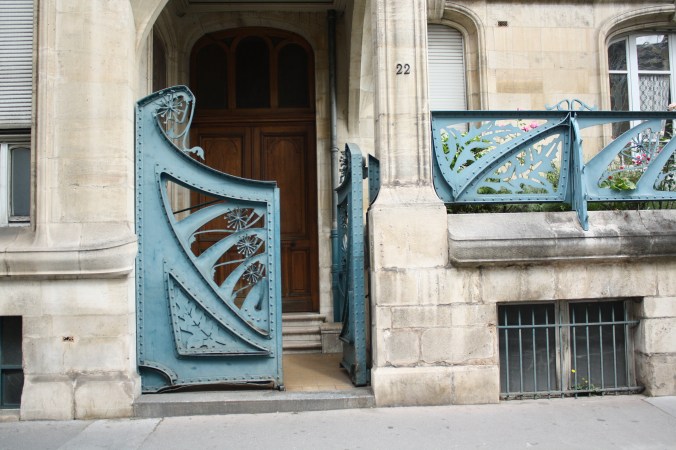 Like those, there. Nancy has done a good job of presenting the work of the Prouvés, including a walking tour (OK, actually more of a driving tour, as the helpful tourist officer pointed out, but if you have a good set of shoes and a whole day you’ll be fine) and two separate museum exhibits–one at the Musée des Beaux-Arts on the Place Stanislas and one a couple of miles south in Jarville at the Musée de l’Histoire du Fer, a museum that tells the story of the region’s iron-working industry. Right there, that’s interesting. Not many figures could have their work shown in an art museum and an industrial history museum. This is the architectural history/construction history dilemma institutionalized–is architecture more art or more industry? Prouvé makes this even more difficult, since he was an artisan more than he was either an architect or an engineer. Nervi got around the question by calling himself a ‘builder,’ but Prouvé’s designs sprung even more directly from individual components–from the bottom up, as opposed to the Beaux-Arts ideal of design from the top down. This is an entirely inductive, not deductive, approach. Gradually, Prouvé moved beyond the ornamental ironwork that the family was famous for, and began working with steel as a mechanical material, finding ornament within the rolling, cutting, and bending processes of the fabrication shop and combining them with a very subtle lyricism; his building and furniture designs from the 1930s onward are all rigorously pragmatic but also stylish, a rare combination that was equaled only by Charles and Ray Eames.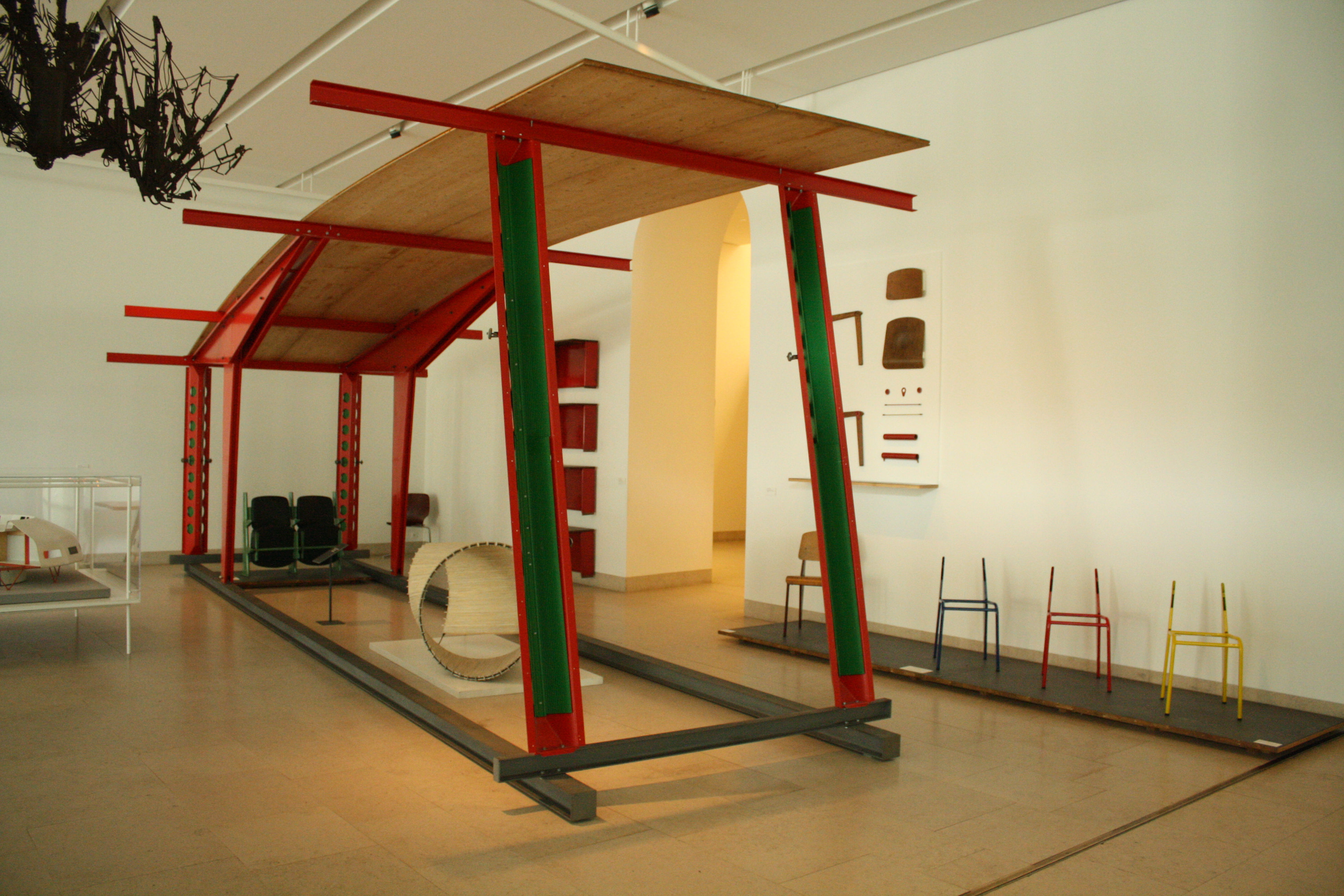
 architecturefarm