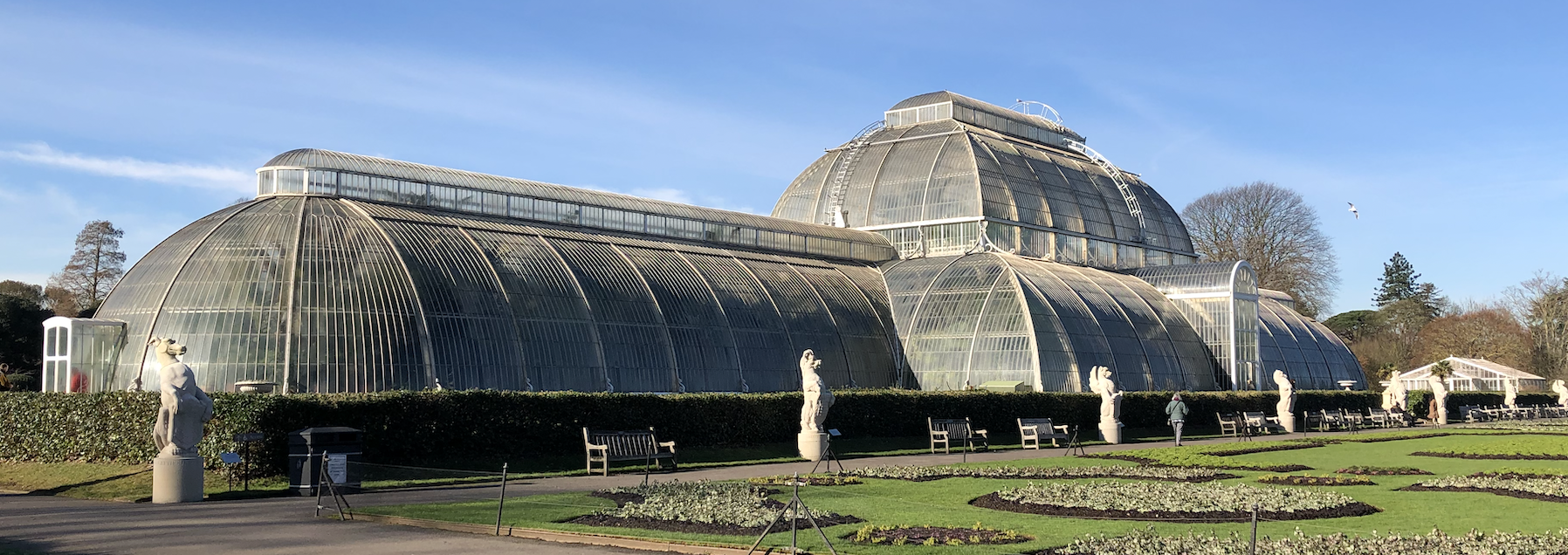
I’ve been down a rabbit hole on British glasshouses this summer, redoing some of my Construction History seminars and trying to dig deeper into the ways that glass and iron complemented and provoked one another in buildings like Kew’s Palm House and the Crystal Palace (I may not think of the Roman Empire every day, as the meme goes, but I definitely think of the Crystal Palace at least twice a week…)
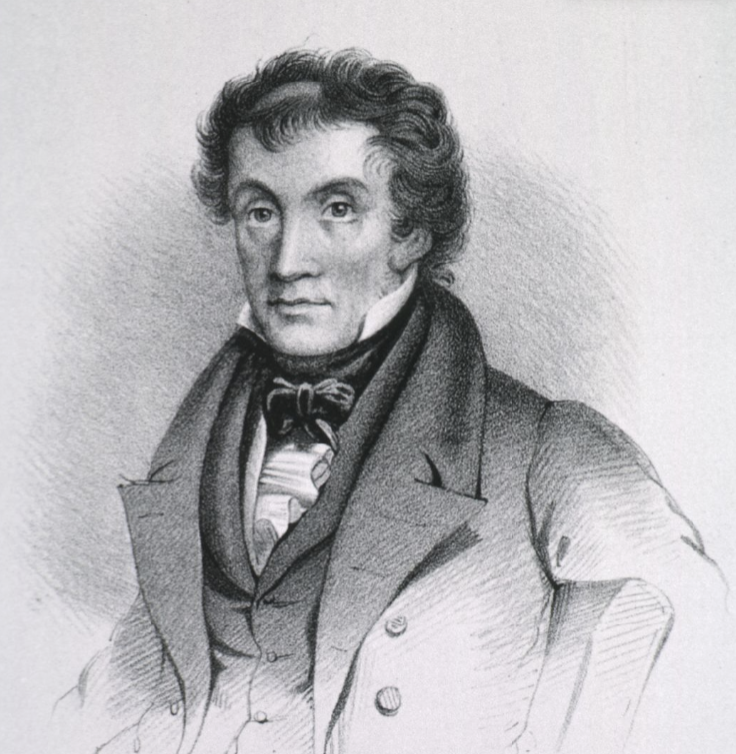
One of the great heroes of the movement was John Claudius Loudon (1783-1843). Born to a farming family, he studied agriculture and horticulture at Edinburgh. Employed originally as a gardener, he expanded his efforts into architecture, city planning after a tour of Europe in his early 30s. Hampered by rheumatism and the loss of an arm after a botched surgery, his marriage to author Jane Webb made a productive collaboration. The two founded and published some of the first architectural and gardening magazines, as well as encyclopedias that remained primary reference sources in the two fields for decades.
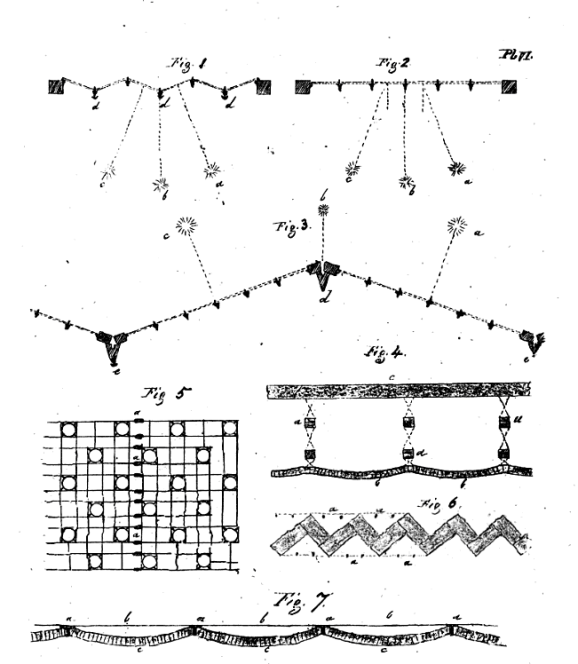
But among all of these varied interests, Loudon returned, continually, to hothouse design, publishing treatises on the subject in 1805, 1817, and 1824, along with extensive articles in the various encyclopedias published in the 1820s. In these, beginning with his remarks after building a functional but flawed structure for gardening clients, Loudon’s approach evolved from versions of the angled glass walls that enclosed forcing frames in the previous century to something entirely new—structures of glass and iron that married functional requirements of light with developing techniques of glass and iron production. The results were not only effective greenhouses, they were also harbingers of new architectural forms and a challenge to aesthetic traditions that had, he felt, held back the development of truly effective horticultural building.
In 1835, remarking on hot-house construction in their Encyclopedia of Gardening, Loudon and Webb compared the emerging aesthetics of iron and glass to the dysfunctional efforts made by traditional architect to design greenhouses integrated with solid masonry houses. Their language is a bit florid, but their point, that style emerges from a logical application of available materials to desired functions, foretold Horatio Greenough’s essays on “Function and Form” in the 1850s, Louis Sullivan’s “Form follows Function” in the 1890s, and much of Corbusier’s rhetoric in the 1920s:
“The grand cause of the improvements which have been made in hot-houses may be traced to their being no longer, as formerly, under the control of mansion architects. To civil architecture, as far as respects mechanical and chemical principles, or the laws of the strength and durability of materials, they are certainly subject, in common with every description of edifice; but, in respect to the principles of design or beauty, the foundation of which we consider, in works of utility at least, to be ” fitness for the end in view,” they are no more subject to the rules of civil architecture than is a ship or a fortress; for those forms and combinations of forms, and that composition of solids and openings which are very fitting and beautiful in a habitation for man or domestic animals, are by no means fitting, and consequently not beautiful, in a habitation for plants….Fitness for the end in view, we repeat, is the basis of all beauty in works of use…”[i]
[J. C. Loudon [and Jane Webb], An Encyclopedia of Gardening. (London: Longman, 1835). 2449.
 architecturefarm