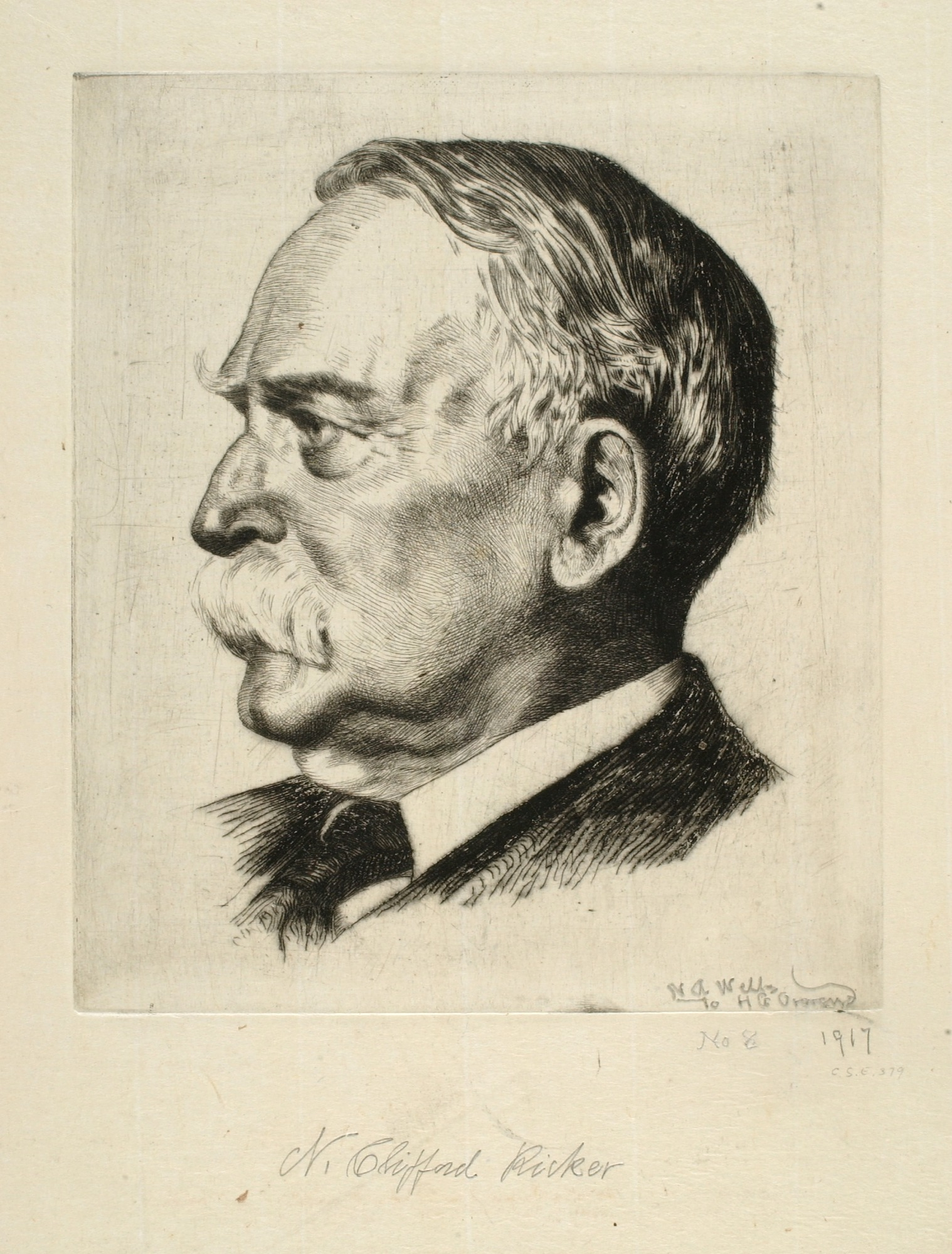
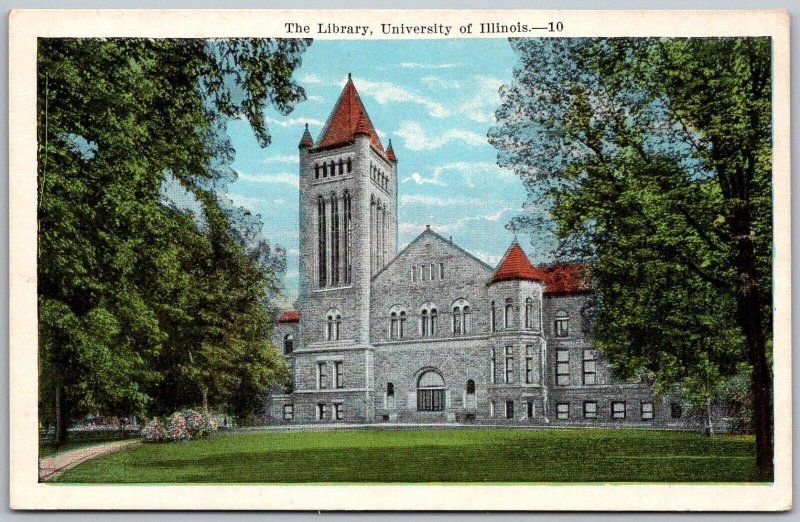
Any University of Illinois School of Architecture graduate will recognize the name Nathan Clifford Ricker. Our library and two school publications are named for him. We’ll waste no opportunity to point out that he was the first American to receive a home-grown architectural degree—in 1873. He designed several key buildings on the Urbana-Champaign campus, in addition to his own home nearby, and he stayed on as a faculty member (1916), director of the nascent architecture program (1910), and general guiding spirit until 1922. The School’s reputation for turning out technically-fluent graduates was primarily due to his vision of a program emphasizing building construction, bucking the national trend toward education inspired by the compositional theories and tropes of the French Beaux-Arts. “Shop Practice,” a hands-on introductory course requiring students to draft and fabricate elements in wood and metal shops, set the early School’s high bar for practical, real-world knowledge and know-how.
Ricker also compiled a comprehensive textbook on building technology of all sorts for use in his classes here, based on his practice and his diligent reading of seemingly every journal or book that came out on the subject (among other things, Ricker translated and published excerpts from Viollet-le-Duc during his career). The two volumes of his Elements of Construction were constantly updated; master copies were typed onto vellum. New students ‘printed’ their copies using sunlight and blueprint paper, an agile process that allowed Ricker to slip in new pages as new technologies came online.
The Elements of Construction must have been profoundly influential—Illinois’ students would have taken their copies with them to offices in Chicago and throughout the Midwest. However, the fragile nature of blueprint paper also meant that the copies would have disintegrated, making it an ephemeral book at best.
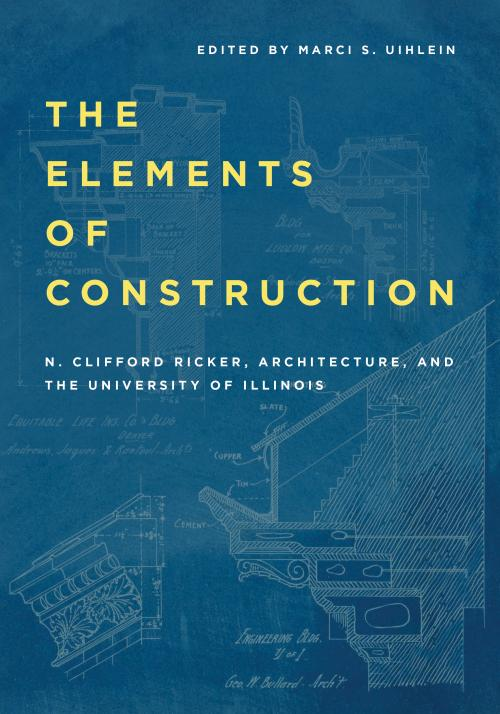
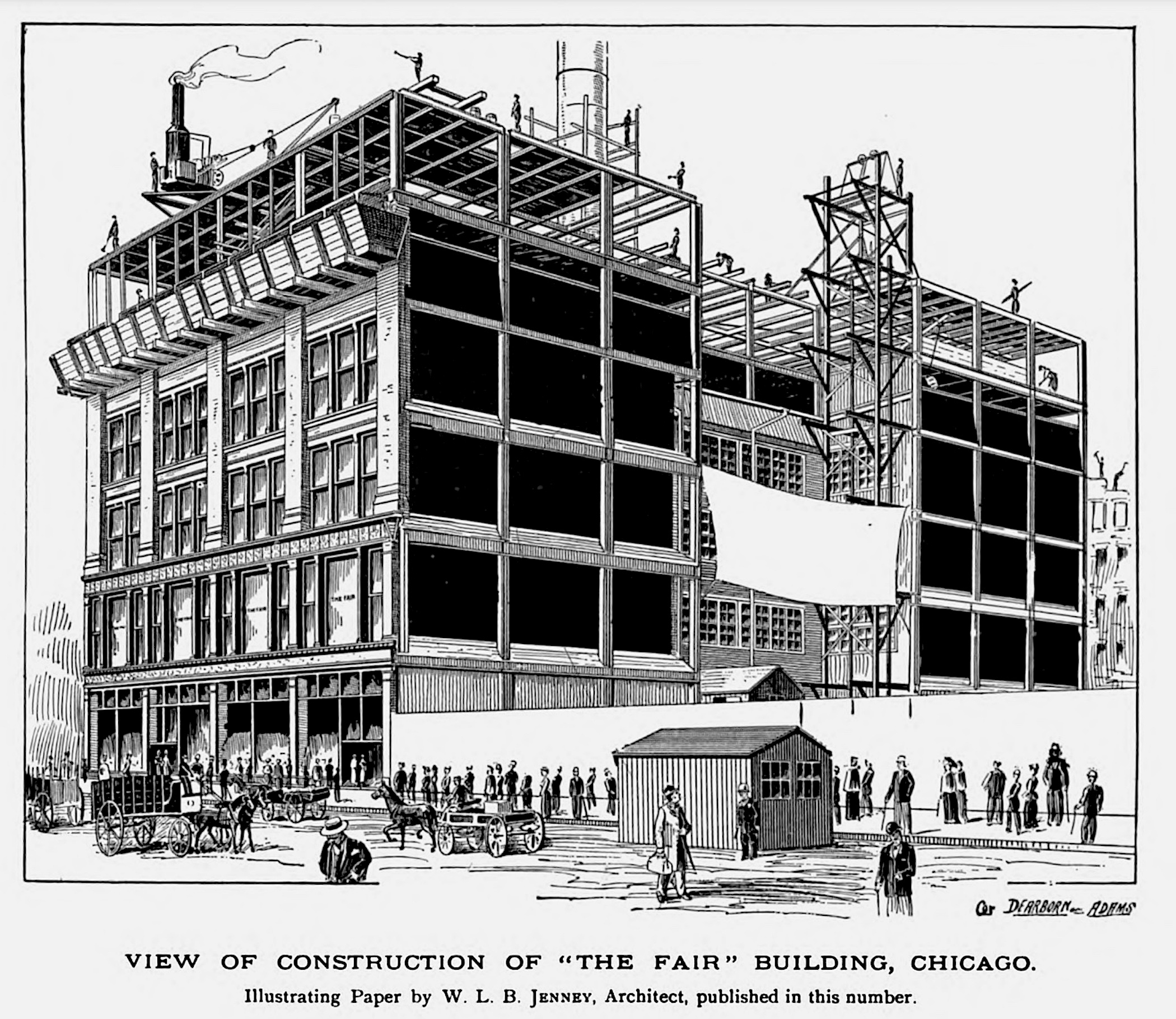
Until now. My colleague here at Illinois, Marci S. Uihlein, has just published the result of her painstaking research into and reconstruction of Ricker’s book from original blueprints in the School’s archives. The Elements of Construction: N. Clifford Ricker, Architecture, and the University of Illinois makes the convincing case that Ricker and his textbook deserve to be seen alongside the most important authors on building technology of the era—J.K. Freitag and William Birkmire. Freitag and Birkmire published vital books on skyscraper design that Elements echoes and enhances. Since Ricker was writing for students who would go on to design many different building types, his book is broader in scope, covering stonework and masonry in addition to iron and steel. It’s a holistic work that addresses skyscraper technology in the wider context of architectural engineering in general.
This new book reproduces four complete chapters of Ricker’s Elements of Construction: Foundations; Stone Masonry; Bricks, Tiles, and Terra Cotta; and Iron and Steel Construction. It includes original and reconstructed illustrations from Ricker’s vellums and framing essays by Construction History scholars, including Don Friedman, Tom Peters, Rachel Will, and myself, that put Ricker’s text and pedagogy in context. The result is a richly detailed overview of architectural technologies and construction in the late 19th and early 20th century—but also of the unique pedagogy that went hand-in-hand with the innovation happening in Chicago, especially, at the time. It’s also a good read for alumni of the School and anyone interested in the era’s building culture.
Available for pre-order on Bookshop.org and that other site; copies are due to ship March 11.
 architecturefarm
Great post Tom, and congratulations to Marci! Go Illinois!! Bob
LikeLike