Parth Solanki and Siddharth Shah (UIUC), with Alice Wimbe (SAIC)
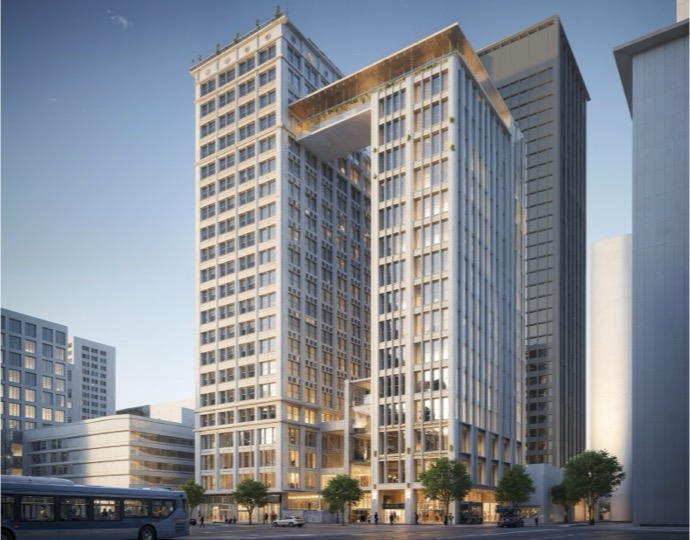
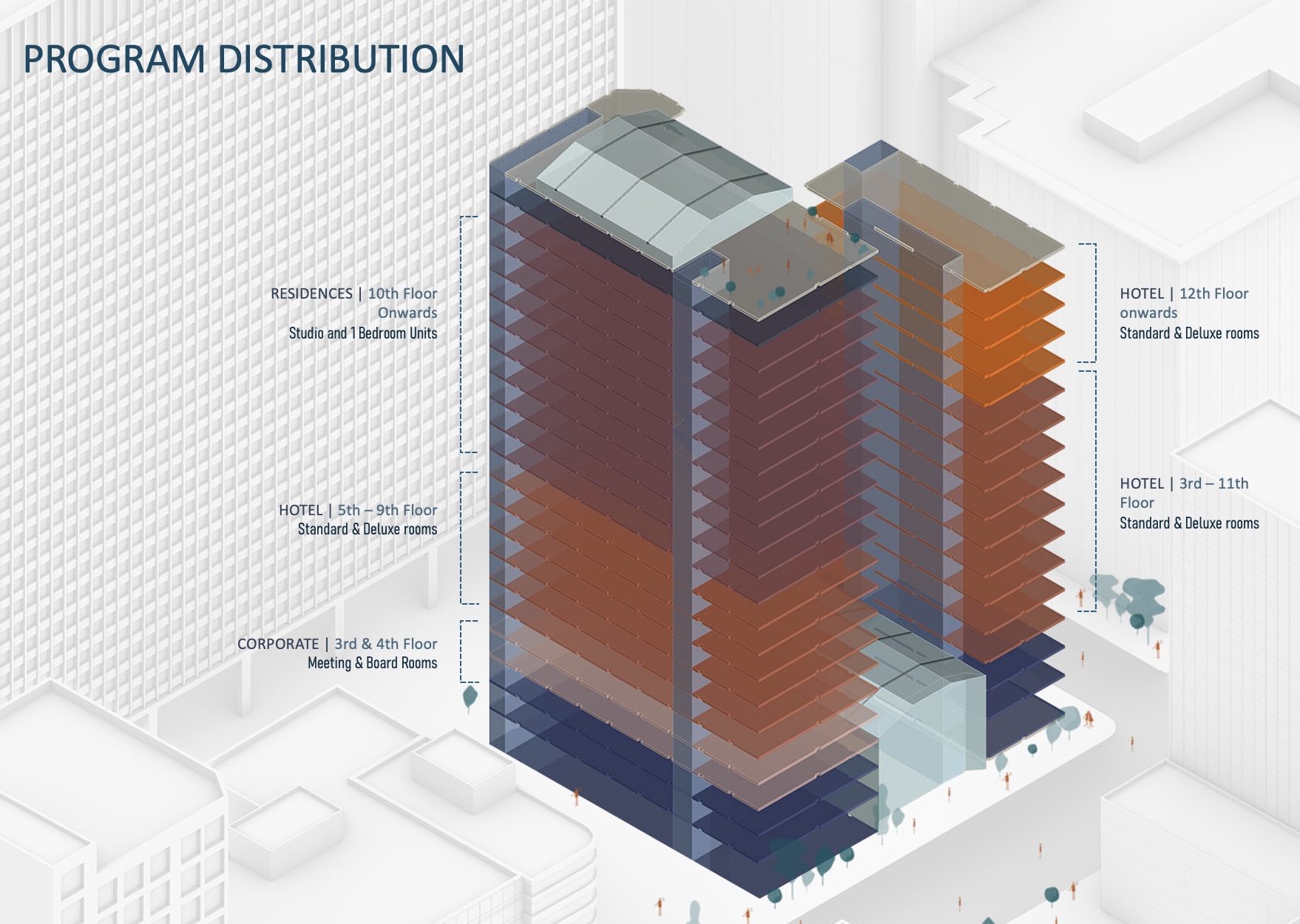
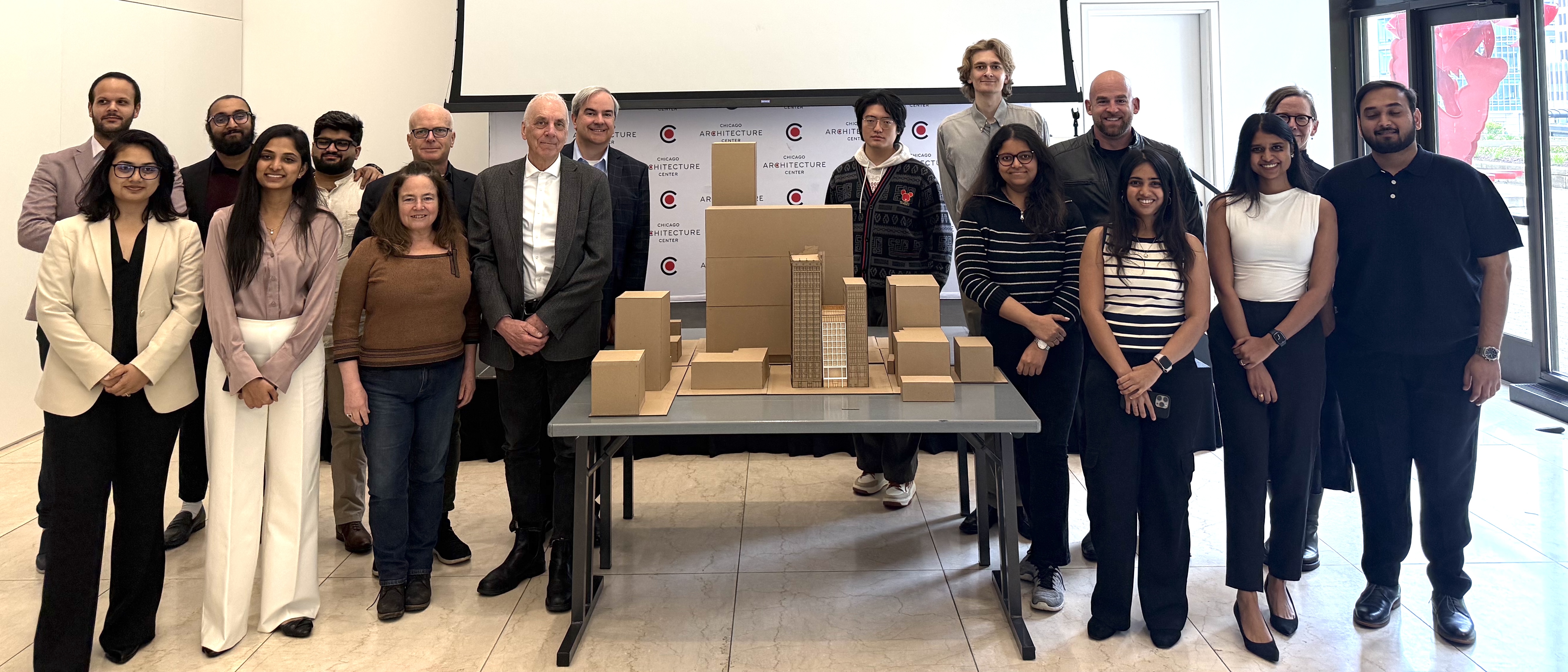
We finished up a challenging but exciting studio project this week with final reviews at the Chicago Architecture Center–many thanks to CAC for hosting. The project has been a visionary adaptive reuse of the Consumers and Century Buildings, at State and Adams Streets in the Loop. As previously noted, these buildings are threatened as the Federal Government seeks to address security issues with the Dirksen Federal Courthouse next door. Landmarking by the City of Chicago has forced the government to solicit proposals for developing the two structures, but their RFP puts onerous restrictions on their use. Our studio sought ways to develop the buildings as residential and hotel structures while addressing issues of sightlines and proximity that, understandably, have the GSA worried.
Sharanya Mathrudev and Elizabeth Tabisz (UIUC) with Rich McKee (SAIC)
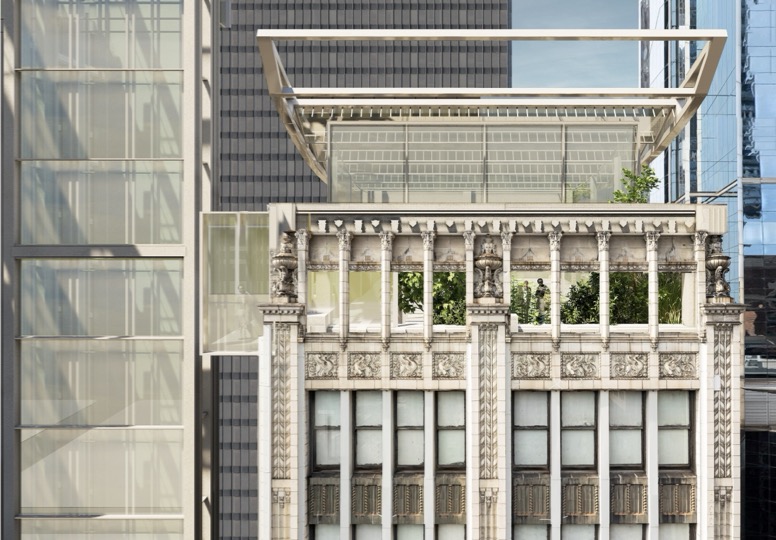
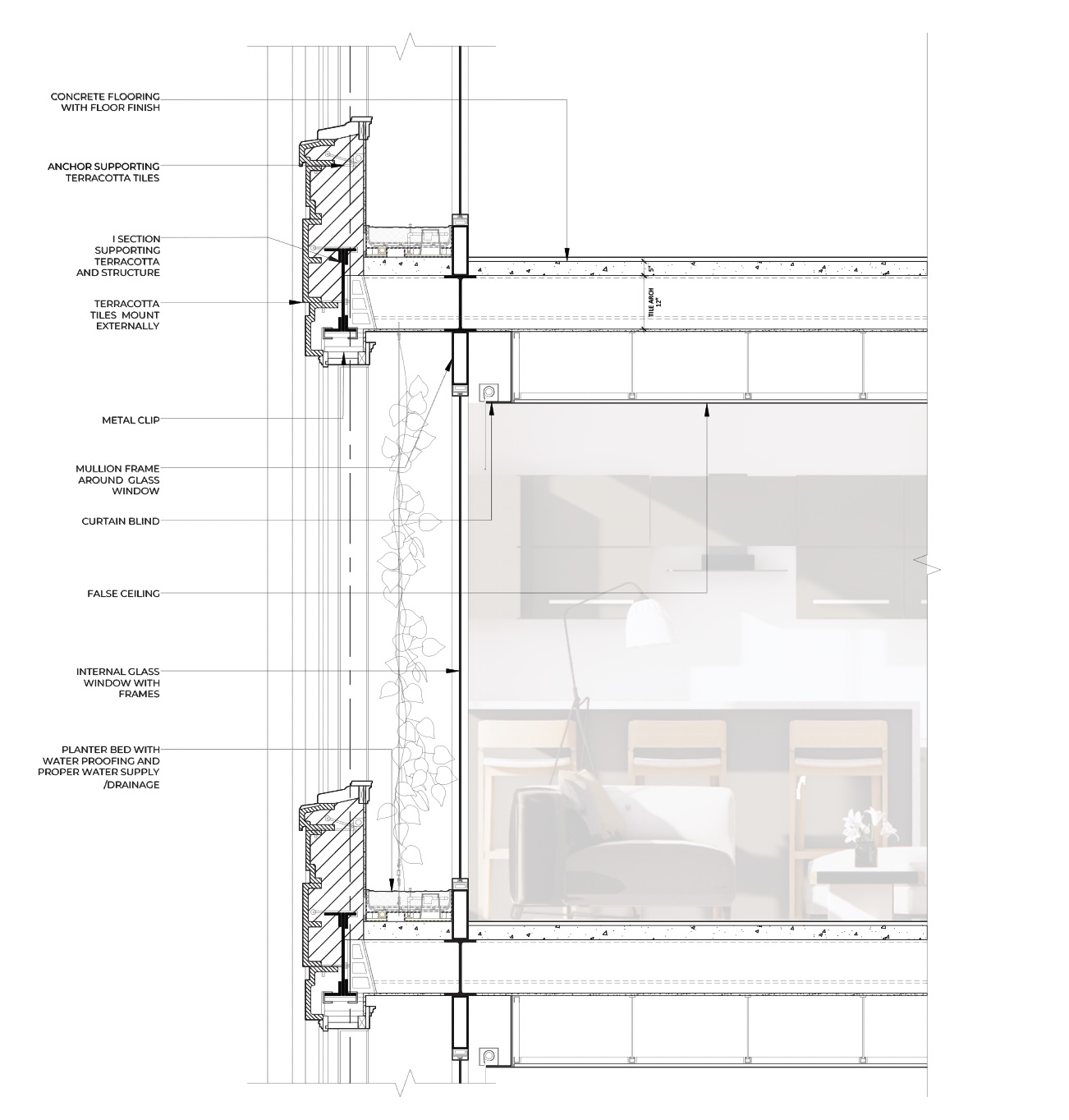
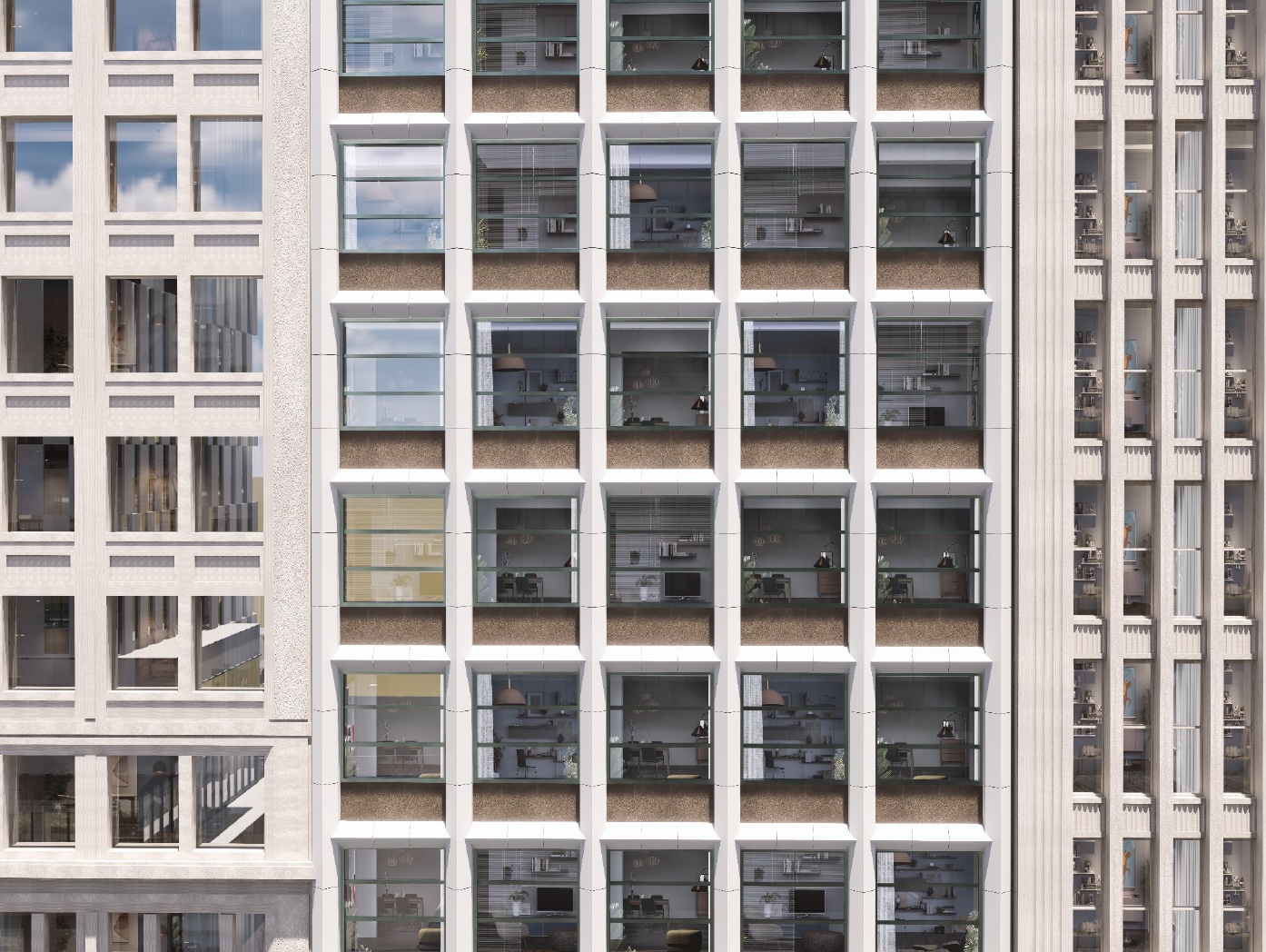
Student teams from our M.Arch. Program, working with historic preservation students from the School of the Art Institute, tackled this by looking at programming and detail strategies that carved apartments and hotel rooms out of the exiting building fabric while creating new semi-public spaces in the gap between the two buildings, all while focusing views and circulation toward the street and away from the courthouse and its associated exterior driveways, loading, and prisoner handling areas. We worked with Rachel Will and Kim Clawson, of Wiss, Janney, Elstner, Ken DeMuth of Pappageorge Haymes, and Mark Kuberscki of Central Building and Preservation to understand the conservation and restoration issues, but student teams had a long leash in considering how best to transform the two structures. The fact that both are “vernacular” skyscrapers–good examples but not, say, Sullivan masterpieces–allowed some creative extensions and additions that wouldn’t meet Secretary of the Interior standards, but that allowed some visionary thinking and innovative approaches, especially to the central space and the buildings’ rooftops.
Omar Abunnaja and Jasbir Bhamra (UIUC) with Katrina Lewis (SAIC)
Our jury included practitioners, preservationists, and engineers from firms in the city, who lived up to the challenge of critiquing a wide range of approaches. Many thanks to those who took part, and to a particularly energetic, dedicated group of students–hire these folks!
Noushin Anjum & Nupur Agarwal (UIUC), with Leah Zuberer (SAIC)Anusha Ronda and Shravani Keesara (UIUC), with Tucker Jaroll (SAIC)Odin Babcock and Deyang Hu (UIUC), with Zach Waters (SAIC)
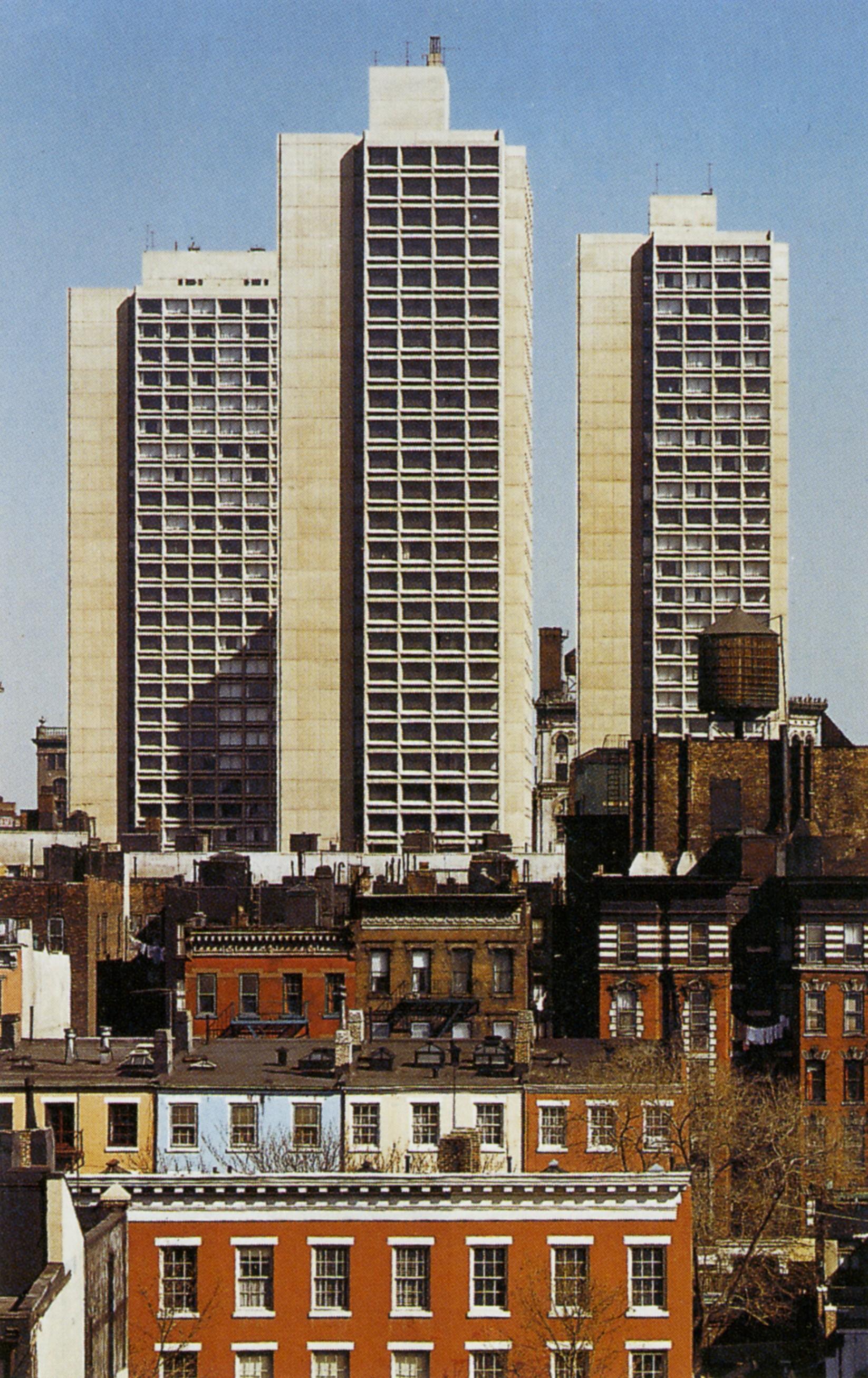
University Towers, NYC. I.M. Pei. 1966-1967. JSTOR
Happy to announce that after a couple of years of great conversations, deep dives into obscure 1920s issues of Cement Age, and ace model-making by a student team here, The Modern Concrete Skyscraperis opening this week at the Skyscraper Museum in New York. Carol Willis, the Museum’s Director and Founder, approached me about helping to curate an exhibition that would be a ‘gentle corrective’ to the idea that the skyscraper’s evolution was primarily a steel story. “”Steel is a chapter, but it’s not the whole story” is the consistent theme throughout. What we’ve heard from engineers, architects, historians, and what we’ve seen in the historical record presents a much more nuanced and interesting story, where the two materials often worked in concert, often in competition, as skyscraper heights rose throughout the 20th and 21st centuries.
The exhibition looks at the history of concrete–one could argue that the first concrete ‘skyscrapers’ were the Roman insulae, apartment blocks that rose at least five and possibly as high as seven stories–and how the drive for greater height, safety, and efficiency led builders and designers to experiment with concrete as a more fireproof replacement for steel. Over time, research and development also made it competitive in terms of spatial efficiency and speed of construction. Today, the world’s tallest towers and construction sites are concrete, not steel, and the material’s emergence as the system of choice for supertalls is the result of a century of painstaking chemical, structural, and fabricational developments. “The rise of reinforced concrete skyscrapers evolved in several stages and from many influences,” Carol’s summary notes,
“…including architectural aspirations, engineering innovations, advances in the strength of materials and efficiencies in building construction, wind engineering, and computer-assisted design. While most of those changes were hidden from view behind sleek curtain walls or Postmodern ornament, the exhibition exposes the material concept and process in multiple structural models, construction views, and videos.”
However, this history hasn’t been adequately documented or presented previously. Carol asked questions throughout the project that seemed simple–how did flat plate construction become the global standard for residential construction as early as the 1920s, for instance, or why did composite construction–concrete cores with steel framing–become the norm for mid-sized office towers beginning in the late 1980s? The answers to these proved to be complicated but enlightening. Subsequent research uncovered some new stories, found some new heroes, and suggested a handful of buildings that should be in the skyscraper ‘canon’ but have so far been underappreciated by historians of construction and architecture alike.
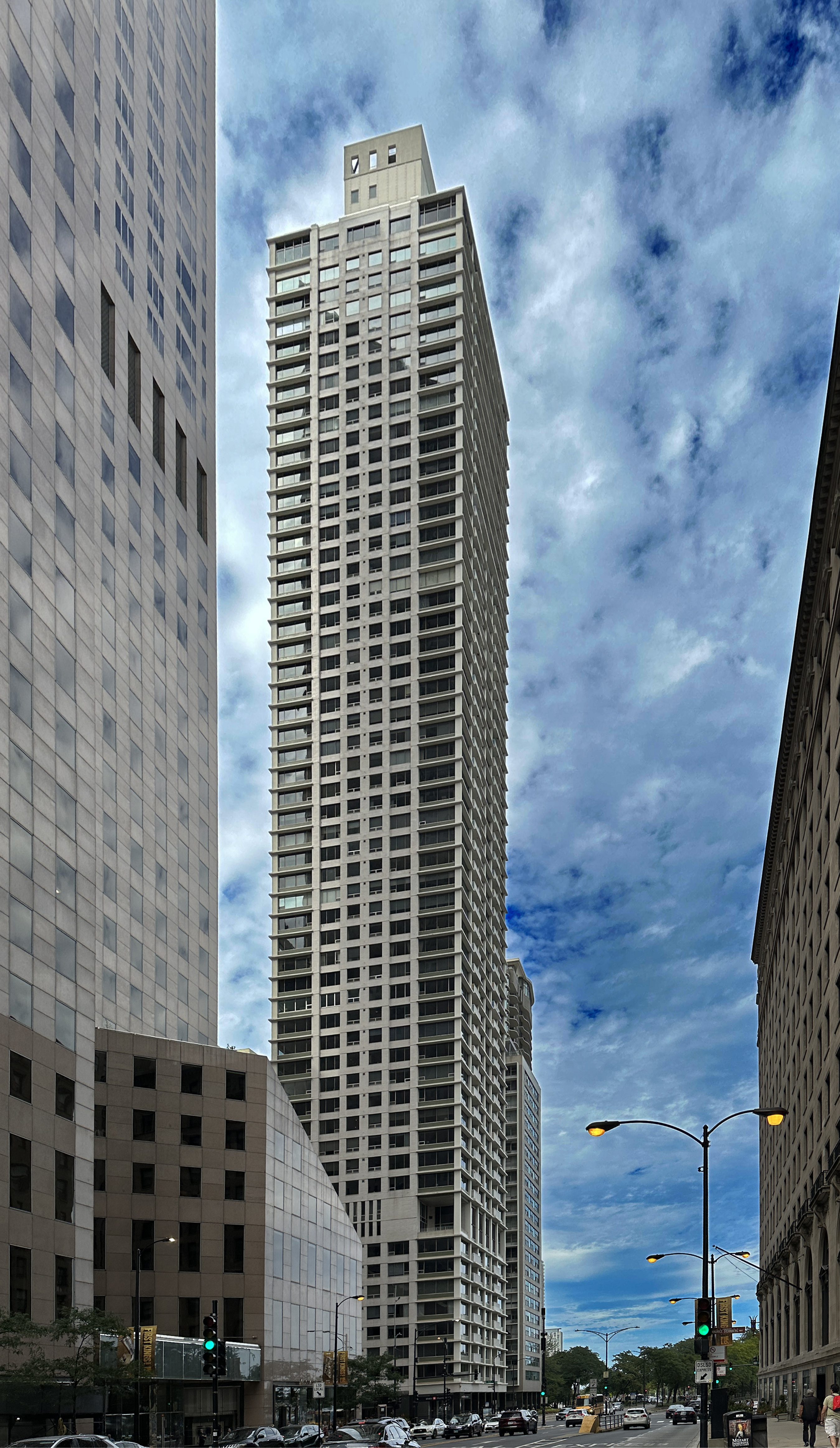
1000 Lake Shore Plaza, Chicago, IL. Sidney Morris/William Schmidt, 1963-1965).
The exhibition includes models of key buildings–some from the firms that designed them, others newly built by UIUC architecture students–as well as photographs, both new and historical, and diagrams that show the progression of height and technology from the 1905 Ingalls Building in Cincinnati at 16 stories and 210′–what I now think of as a steel framed tower re-imagined in concrete–to the 163-story, 2722′ tall Burj Khalifa, which SOM structural engineer emeritus Bill Baker, has described as a tower “cantilevered out from the crust of the earth.” “The strength and moldability of “liquid stone” into any form,” as the press release for the exhibit notes, “
“…has enabled bold experiments in forms, inside and out, as can be seen in the dramatic voids of the atriums of the architecture of John Portman, the open core of SOM’s Jin Mao tower in Shanghai, or Zaha Hadid’s 1000 Museum in Miami. Another advantage of high-strength concrete is the stiffness it affords for extremely slender buildings such as the “pencil towers” of Manhattan’s Billionaires’ Row, including 432 Park Avenue, a model of which is featured in the show.”
All of this is supplemented by eleven online lectures that have taken place throughout the exhibition’s conception and creation with engineers, architects, critics, and historians who have helped shape the narrative–these are all available online here. They form an outstanding companion to the show now open at the Skyscraper Museum in Battery Park City.
The Skyscraper Museum General Information
Location: 39 Battery Place, Battery Park City, New York, 10280
Hours: Wednesday – Saturday, 12 – 6pm
Admission is FREE, but timed tickets are recommended
Guided gallery tours are available for groups by appointment booking on Tuesday from 10:15am-5pm and on Wednesday-Friday from 10:15am-12pm.
For directions and more information, visit skyscraper.org. For questions, email info@skyscraper.org or call 212-945-6324.
For image inquiries, please contact Daniel J Borrero at Borrero@skyscraper.org or call 212-945-6324. For exhibition & press inquiries, please contact Carol Willis at Caw3@columbia.edu.
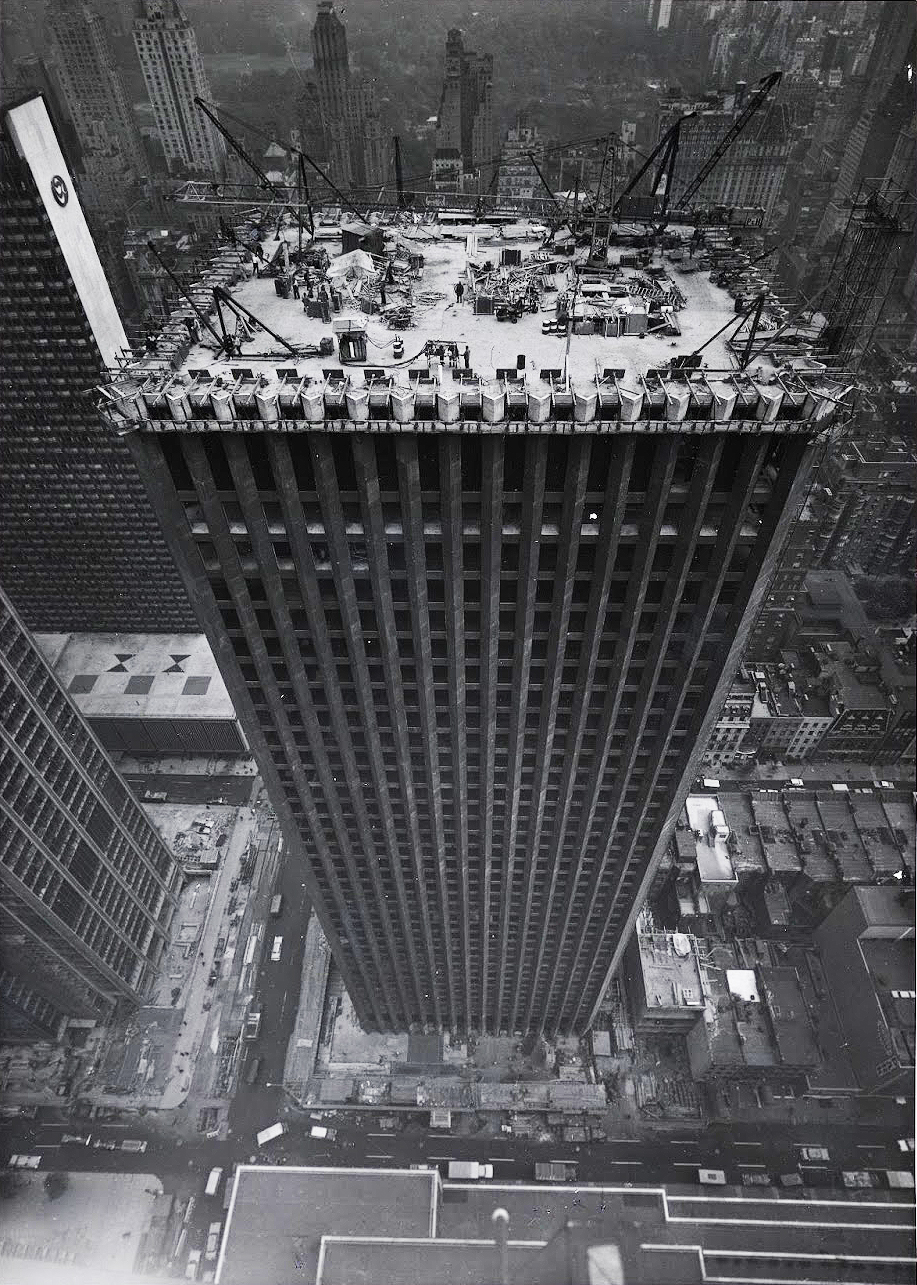
CBS Tower, NYC. Eero Saarinen/Paul Weidlinger, 1965. (Image courtesy Eero Saarinen Collection (MS 593). Manuscripts and Archives, Yale University Library).
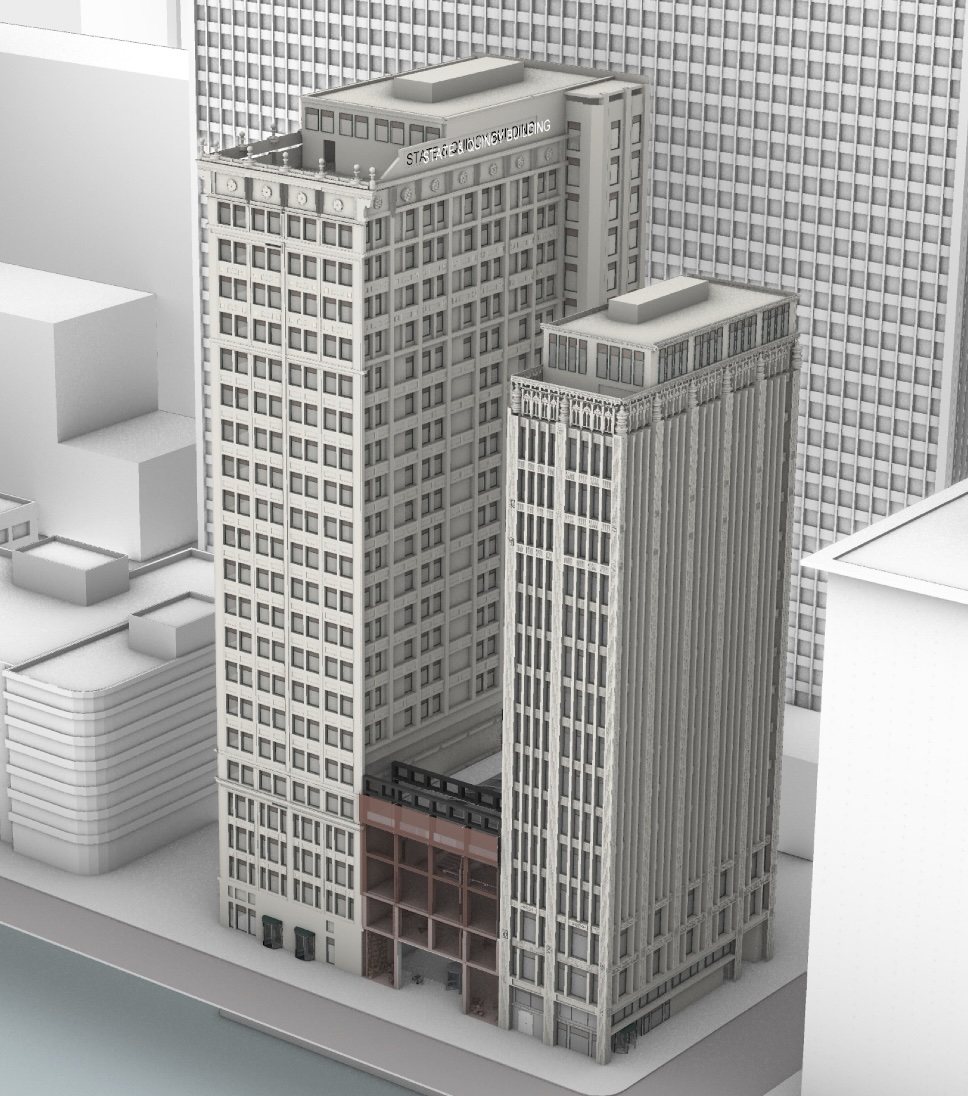
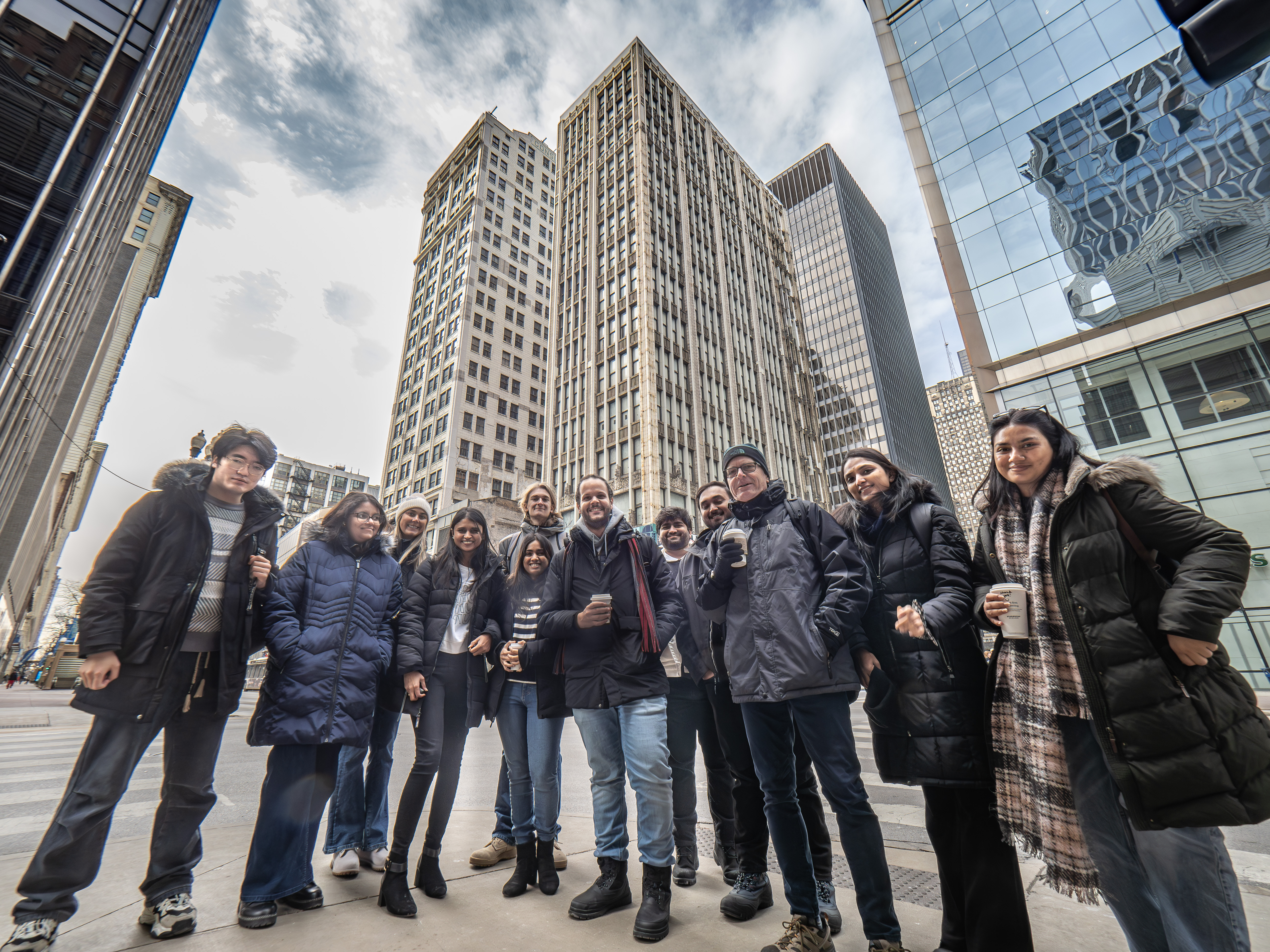
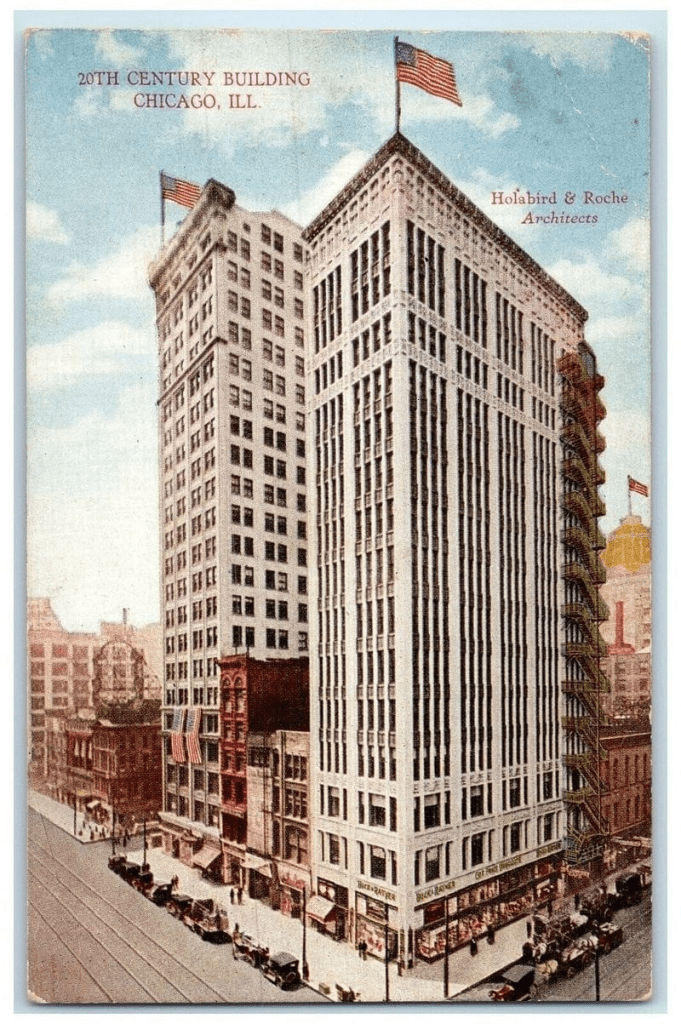
Preservation folks will recognize the buildings in the back there as the cause du jour. The Century Building (front, Holabird and Roche, 1915) and its taller sibling, the Consumers (behind, Mundie & Jensen, 1913), were typical of the commercial buildings constructed along State Street as it enjoyed renewed status as the city’s main retail thoroughfare. The two aren’t particularly distinguished, but they’re almost perfect representatives of the type, with tall retail storefronts, convenience offices on the second and third floors, and repetitive lease space from there to the attics. The Century is almost unique in its neo-Gothic styling for its time–relentlessly vertical, as opposed to the more stolid Consumers, which is strictly Burnham-esque mercantile classicism.
Unfortunately for the two buildings, they’re immediately adjacent to the Dirksen Federal Building and Courthouse. The GSA purchased them in other early 2000s and vacated them, seeing their proximity as a security risk. The two have sat, empty, ever since, with all the deterioration from a lack of occupancy that you’d expect. Preservation Chicago named the two to their 2023 “Most Endangered” list despite plenty of interest in converting their relatively small lease spans and floor plates into apartments.
The federal government made no secret of its plan to demolish the two, which would actually open up a more significant security issue. The City of Chicago, in response last year, landmarked the two back in April, 2024, essentially forcing the GSA’s hand. They responded with a Request for Proposals that comes with a handful of onerous restrictions, including a ban on residential programs, which they see as potentially providing bad actors with open views of the courthouse offices and loading operations on Quincy Street.
OK, fair enough, but what if…you could convince the GSA to design its way around those issues? That’s the premise of our spring studio–provide hotel and short-term apartment accommodation in the two buildings while taking the security concerns seriously. Last week, we met on site with Ken DeMuth of Pappageorge Haymes, one of the city’s leading designers in converting this era of skyscrapers into residential uses, as well as Mark Kuberski of Central Building and Preservation and Rachel Will of Wiss, Janney, Elstner–two of Chicago’s most knowledgeable preservation engineers, especially when it comes to the terra cotta cladding that (barely) covers the two towers.
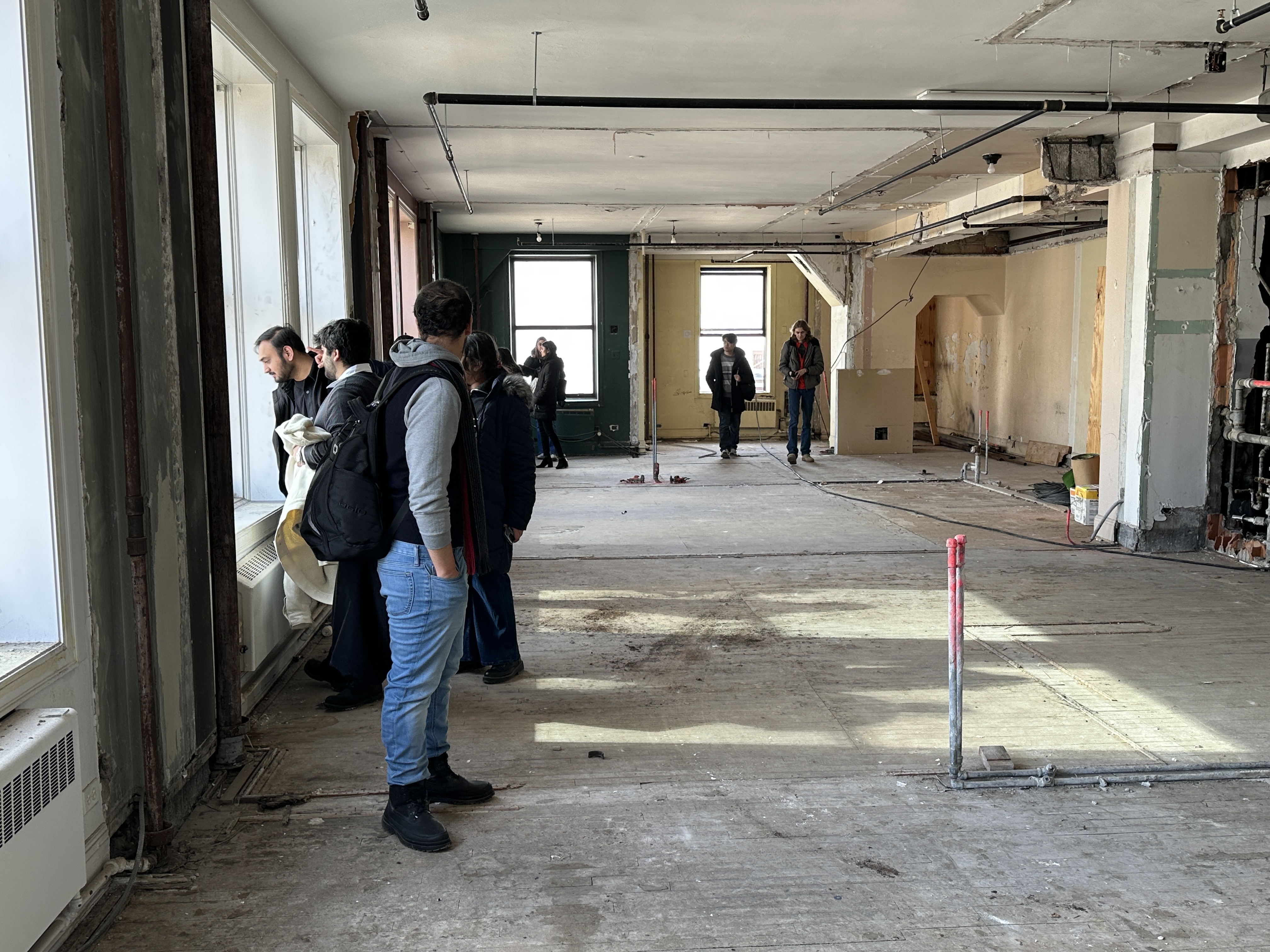
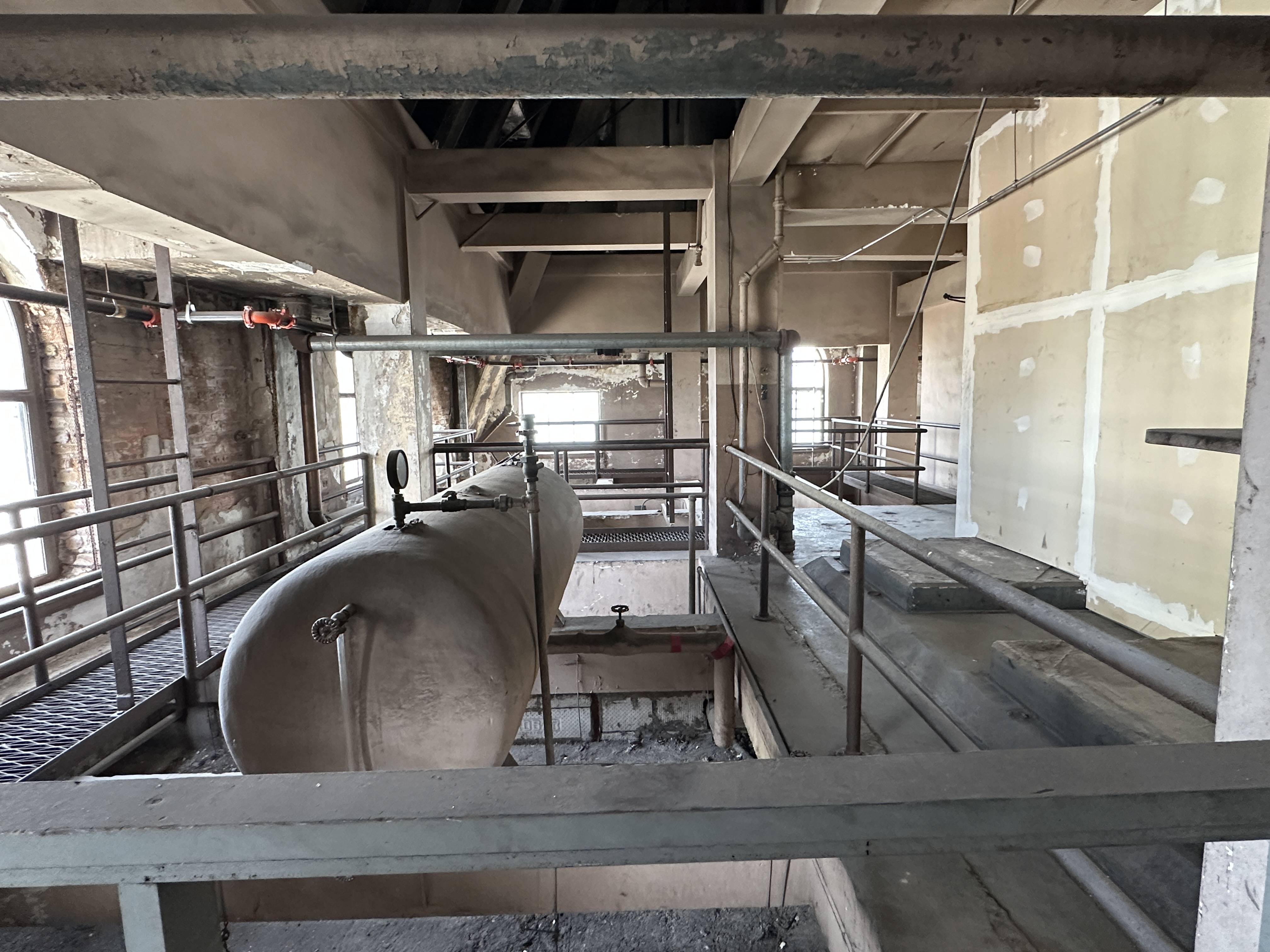
Not surprisingly, the GSA was not enthusiastic about students touring the buildings, but Ken got us into the Pittsfield Building, where residential conversion plans have been ongoing, so we got to see first hand what a vacated office building of (about) the same era presents in terms of spaces and details–including a bucket-list level visit to the mechanical penthouse in the peak of the tower, which would provide any rooftop apartment with a ready-made conversation pit:
We’ll see what this group comes up with, but we’re hoping to show that there’s room for cleverness in addressing the real security issues here, and to be part of the conversation about how important saving even these, ‘vernacular commercial’ structures will be to maintaining the Loop’s sense of history.
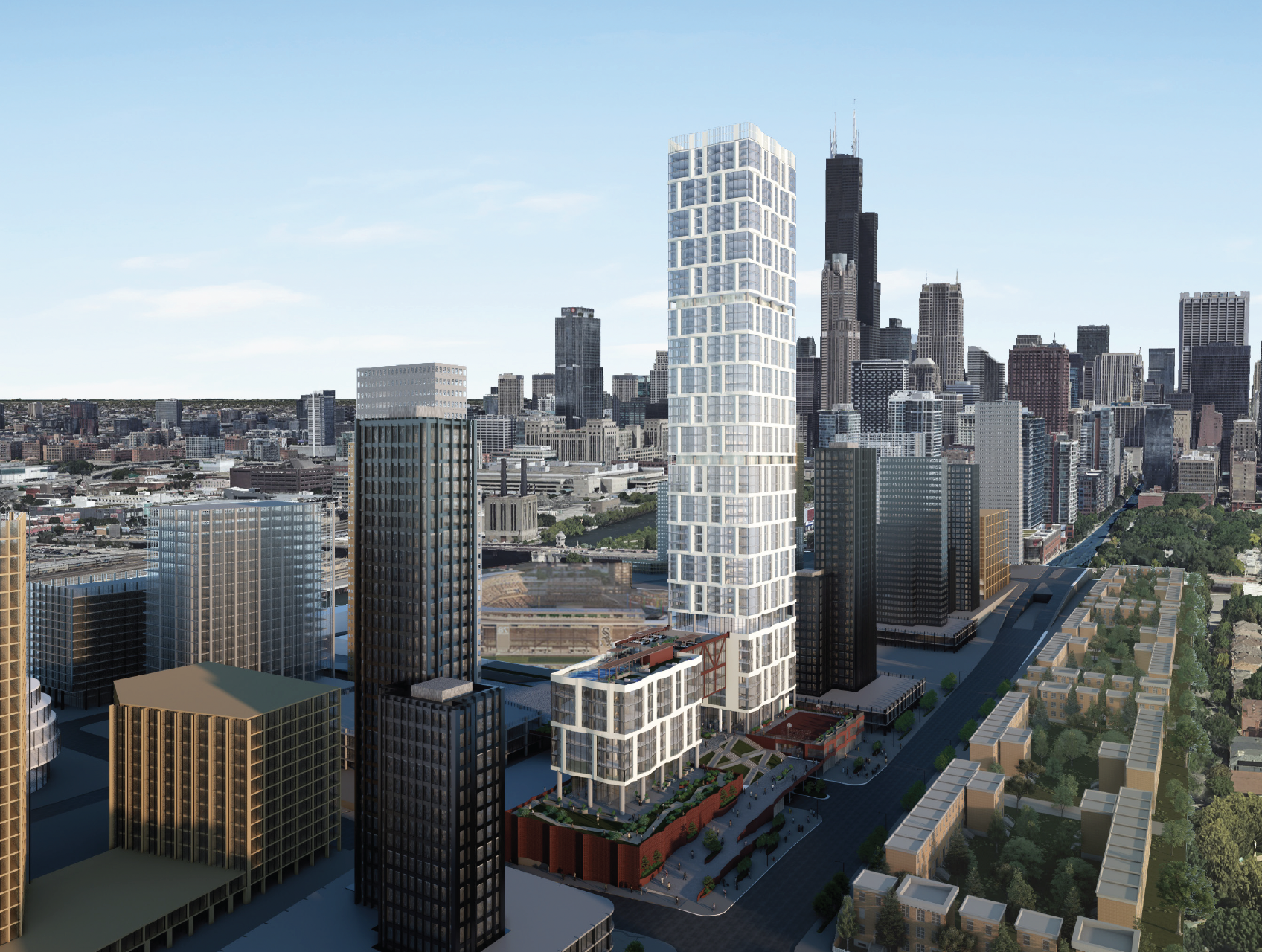
My Integrated Design Studio this semester was a collaboration with Related Midwest that looked at the evolving plans for The 78, a 62-acre brownfield site that is just a half-mile south of the Loop along the Chicago River. Ann Thompson, Executive Vice President of Architecture and Design at Related Midwest, put together a proposed site and program and then hosted the studio for an introduction to their process at the start of the semester. Student teams thus had a real-world problem to solve and the fine-grain program information that gave them a high bar to reach in terms of efficiency–but also design quality.
Lufan Xu and Giovanni Almanza
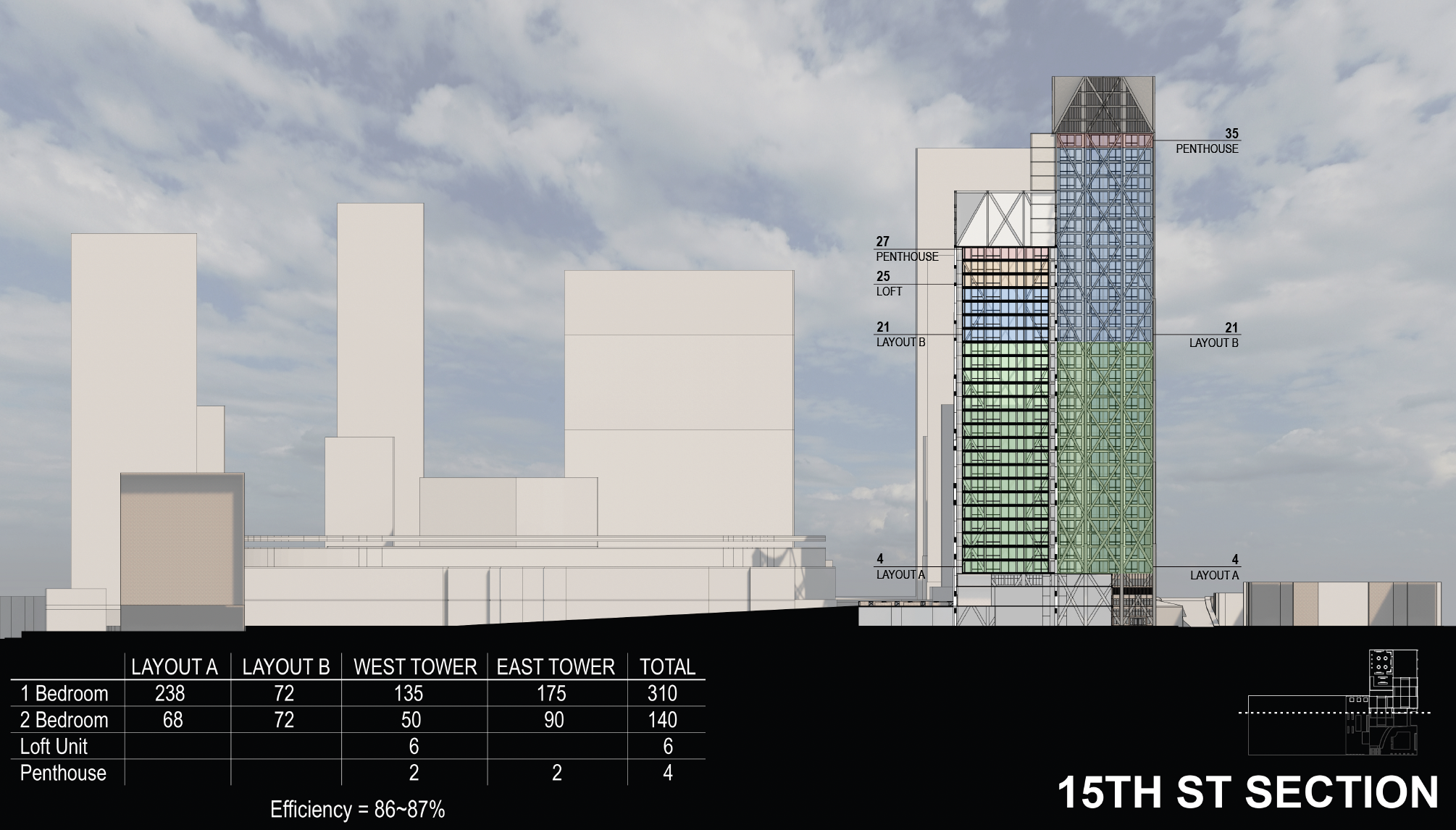
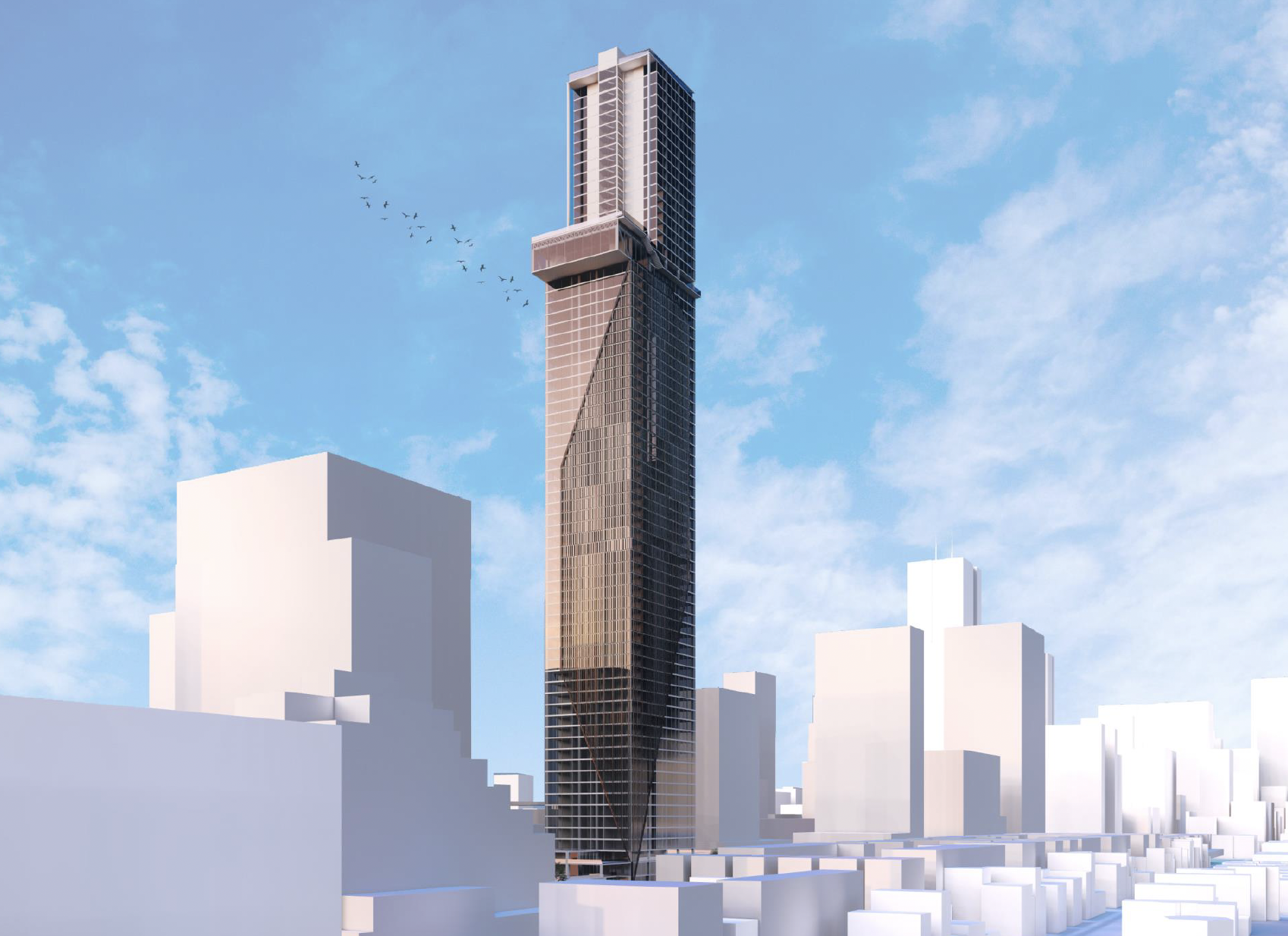
Related’s brief to them was to design a 450-unit residential tower that was amenity-rich in terms of tenant and pedestrian experience. The site, at the corner of Clark and 15th Streets, isn’t much to look at now, but when we started the project,t it promised to become one of the most active intersections in the South Loop. A University-led research initiative, the Discovery Partners Institute, had announced plans for its research center, designed by OMA, for a block of the 78 development just southwest of our site, and last summer, the Chicago White Sox stated their interest in building a new stadium just northwest of our site. So, the issue is, how do you design for tech workers and 40,000 baseball fans? To add pressure to the project, there are plans for a new CTA Red Line stop right at Clark and 15th–so our site will likely become a heavily trafficked, vital circulation node in the neighborhood. Adding to the difficulty, a relocated pair of suburban rail lines will separate our site from the development along the river.
Sanchita Damle & Nidhi Naik
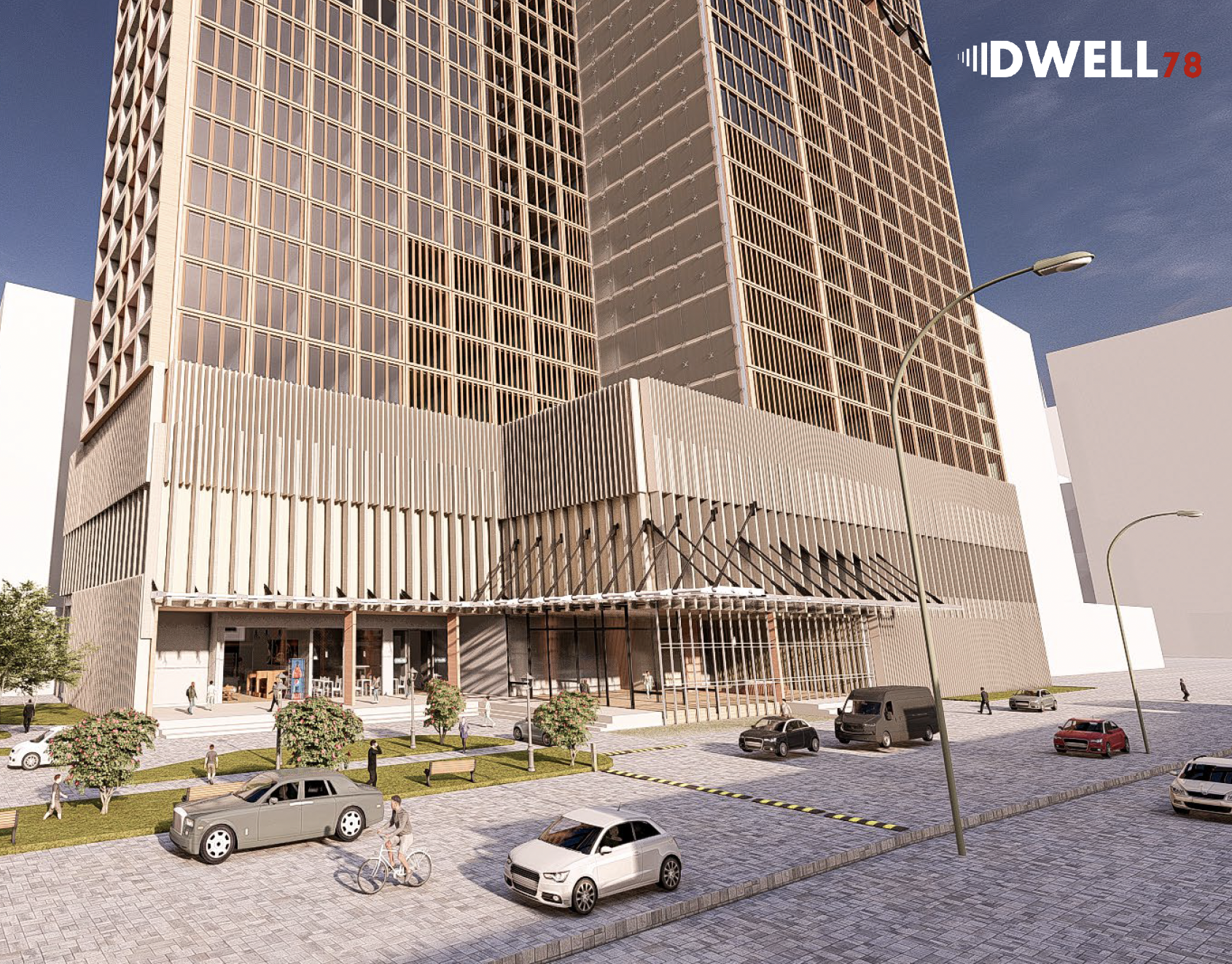
Design teams tackled the big program and the complex site with innovative ideas. Some began with the intersection itself, shaping their ground-level plans to house open plazas that could serve as ‘lobbies’ for the ballpark. Others addressed the problem of crossing the rail lines with ramping podiums that would add semi-public spaces for vendors or gameday retail.
Chang Chen & Ryan Chip
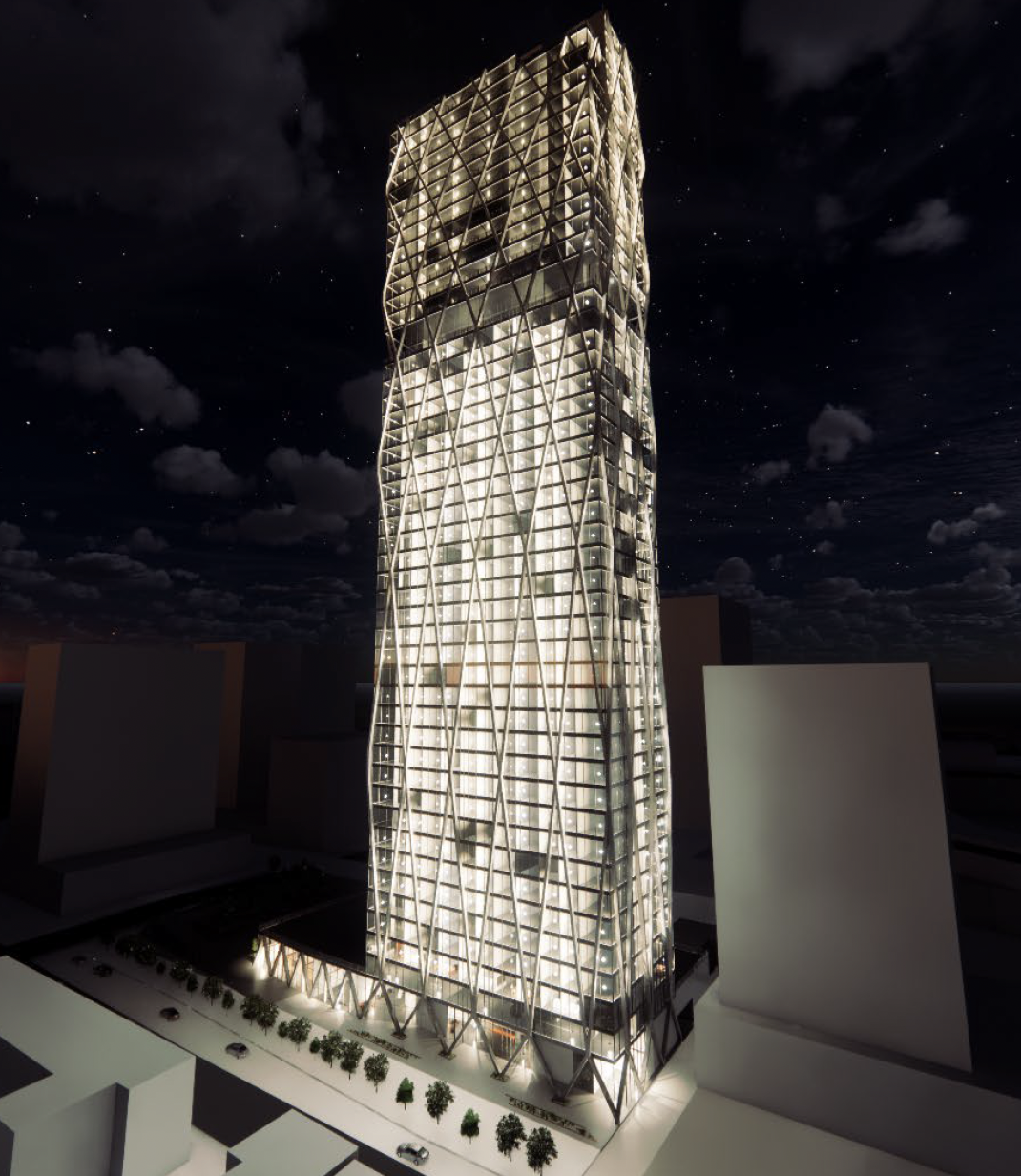
The towers took various forms, shaped by view corridors, daylighting strategies, and the desire to put an identifiable mark on the skyline that would be the 78’s signature. Midterm reviews and desk crits looked at structural schemes and facade palettes that called back to Chicago traditions like trussed tubes and terra cotta cladding, but all deployed in ways that would make sense for a 21st-century tower. We’re lucky at UIUC to have access to great engineering and construction expertise; students learn to take advantage of this early in their design process with clear results.
Atousa Esmaeili & Prajwal Sagari Mahaveer
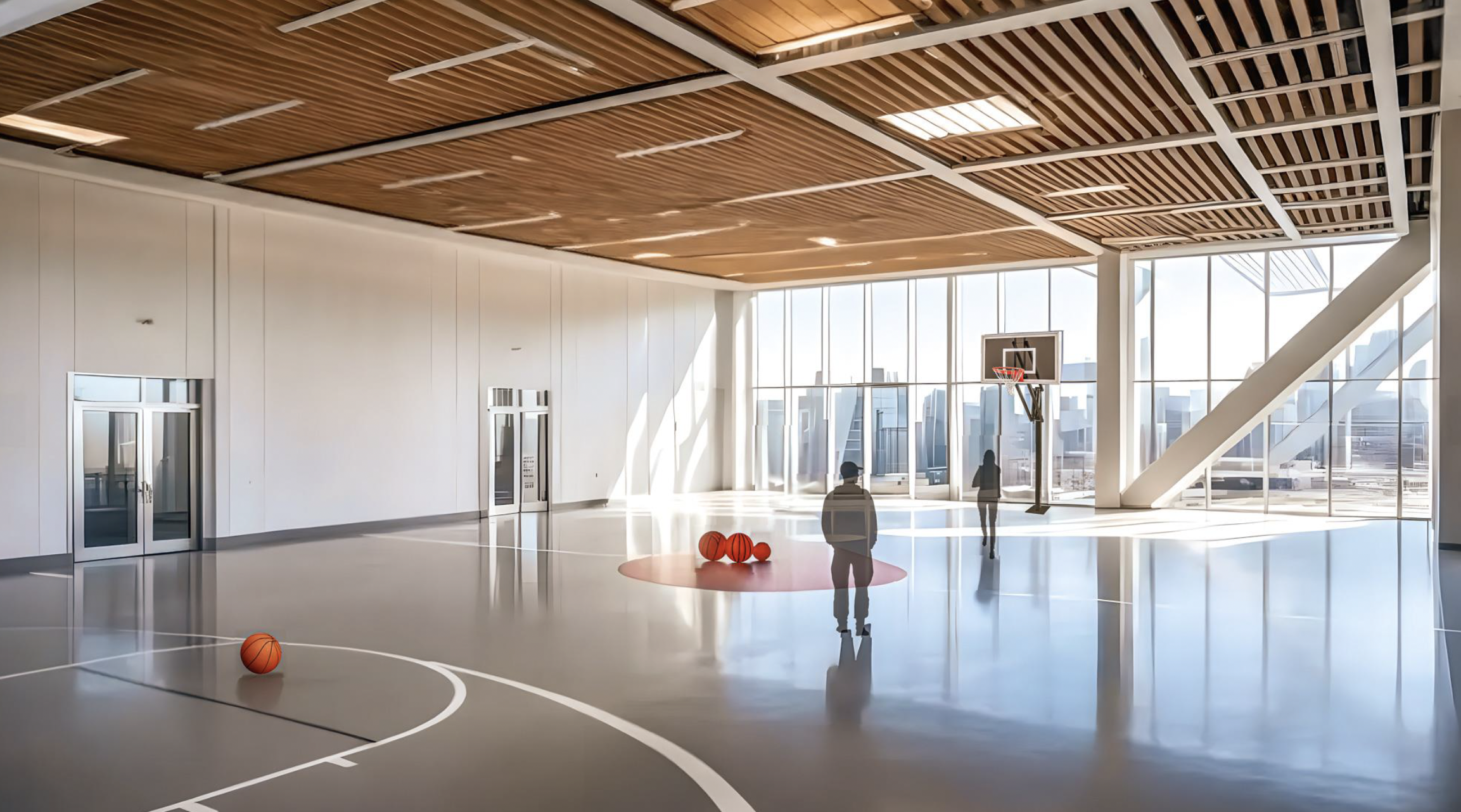
Ann and her team included a basketball court in their tenant amenities list, which became a signature in several projects–an opportunity to show off some structure, but also to think about how this very Chicago element could relate to the city. Grabbing a rebound 300′ in the air? Serious Air Jordan material.
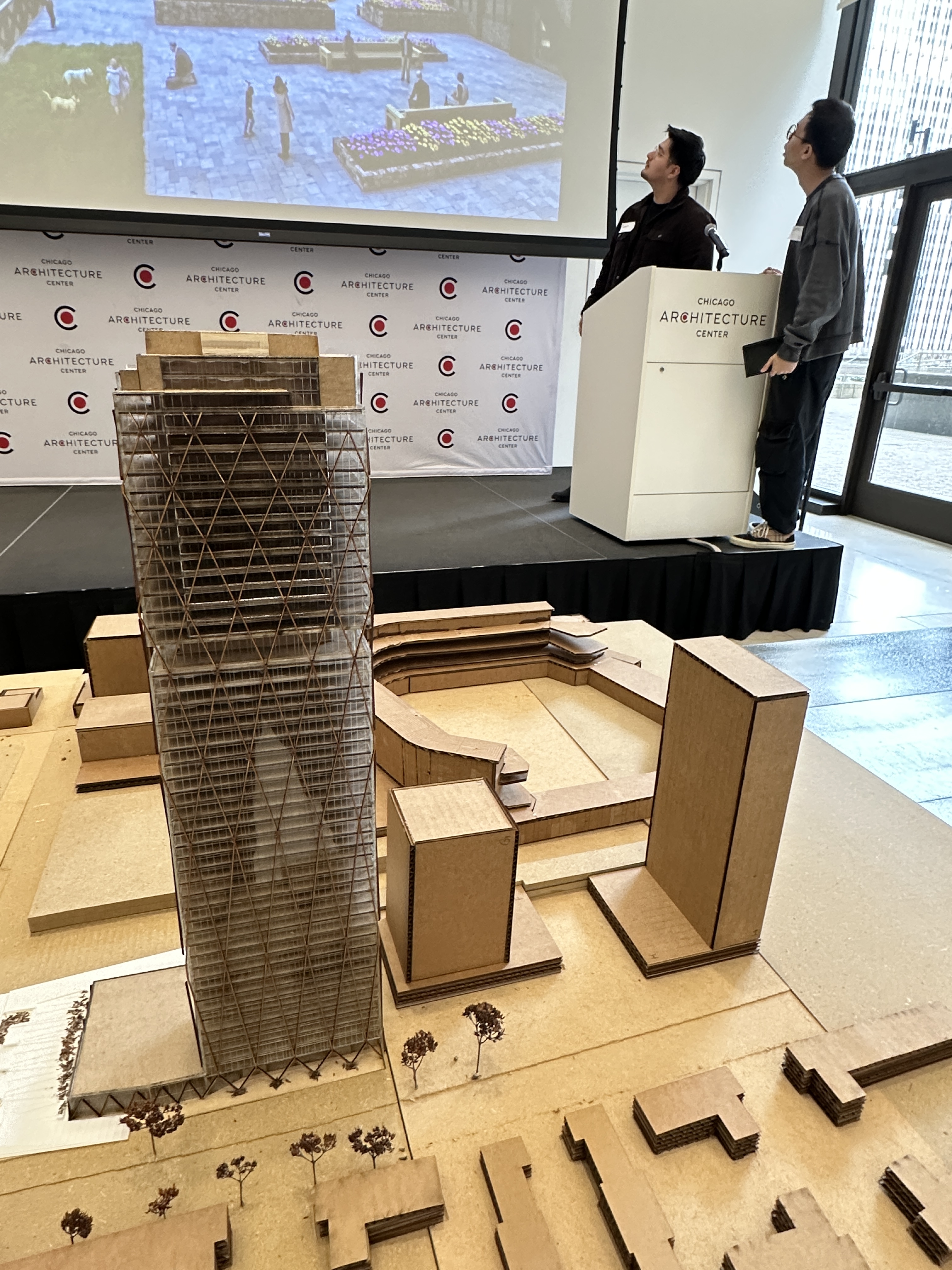
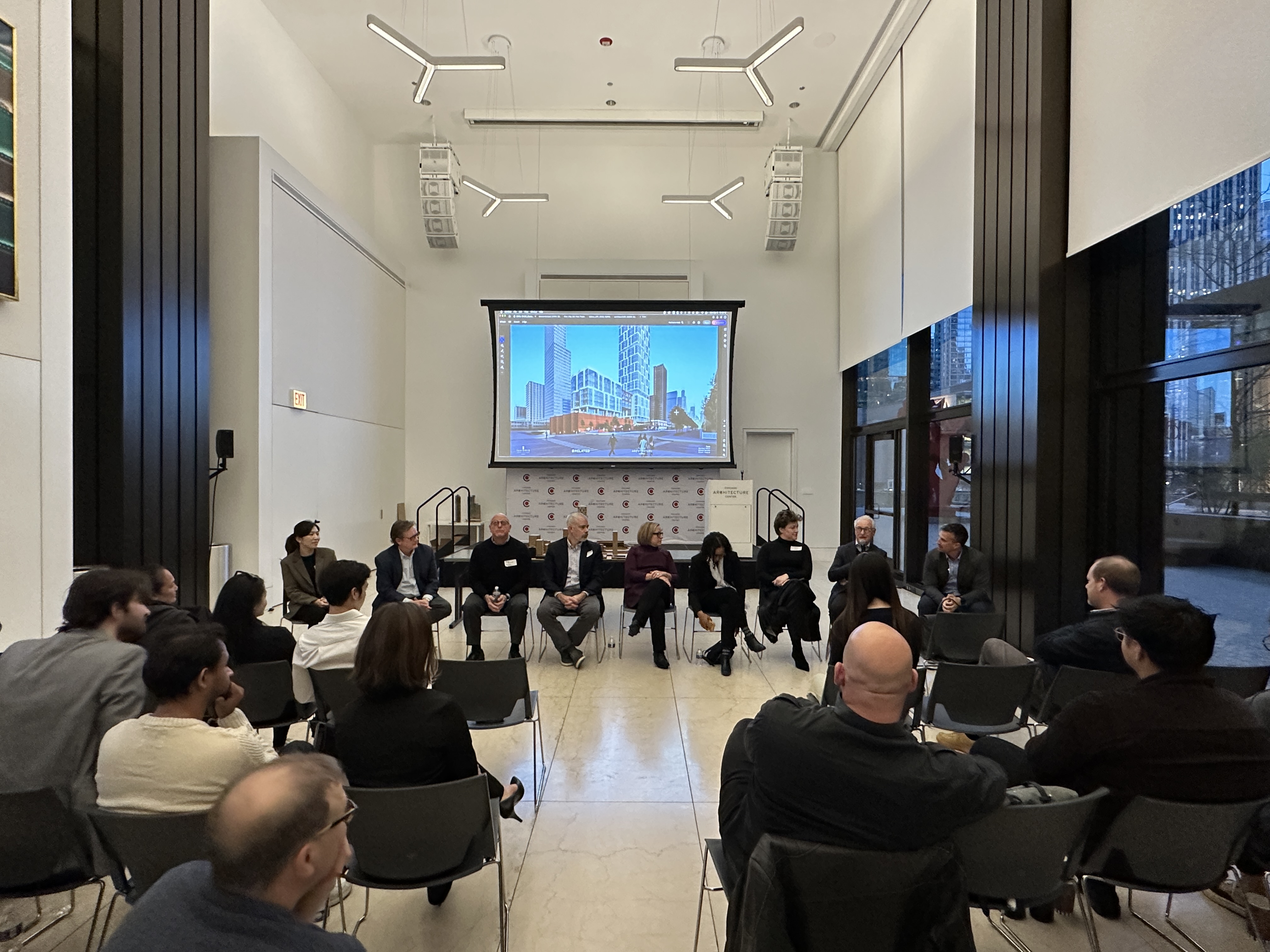
We celebrated the end of the semester with a presentation to Related and other members of the profession and the public at the Chicago Architecture Center last week. It was a great chance for teams to get feedback and show off their work. CAC leadership and staff have been great about letting us bring the work done in Urbana-Champaign up to Chicago, and it’s always a good experience for students to present in esteemed surroundings. Thanks to everyone who made this happen and to a stellar bunch of designers who eagerly dove into a genuinely challenging project.
I’ve been down a rabbit hole on British glasshouses this summer, redoing some of my Construction History seminars and trying to dig deeper into the ways that glass and iron complemented and provoked one another in buildings like Kew’s Palm House and the Crystal Palace (I may not think of the Roman Empire every day, as the meme goes, but I definitely think of the Crystal Palace at least twice a week…)
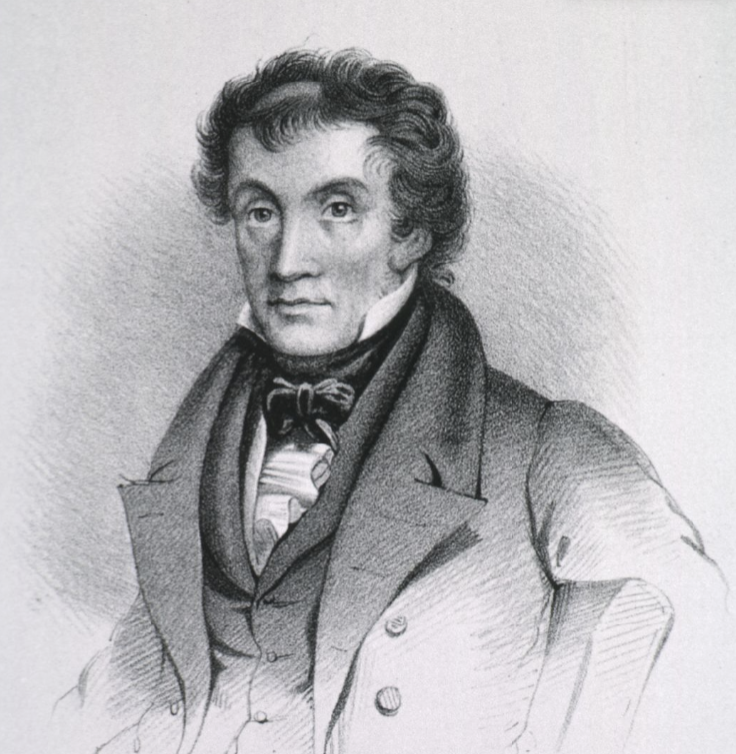
John Claudius Loudon (1783-1843)
One of the great heroes of the movement was John Claudius Loudon (1783-1843). Born to a farming family, he studied agriculture and horticulture at Edinburgh. Employed originally as a gardener, he expanded his efforts into architecture, city planning after a tour of Europe in his early 30s. Hampered by rheumatism and the loss of an arm after a botched surgery, his marriage to author Jane Webb made a productive collaboration. The two founded and published some of the first architectural and gardening magazines, as well as encyclopedias that remained primary reference sources in the two fields for decades.
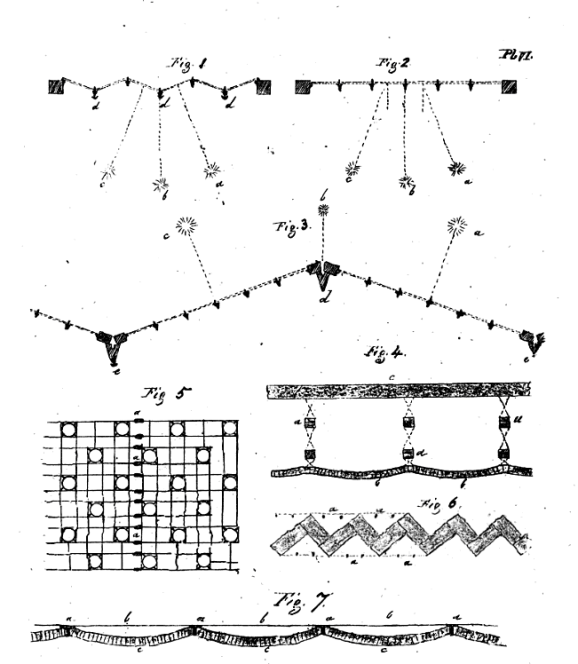
A page from Loudon’s Remarks on the Construction of Hothouses, 1817.
But among all of these varied interests, Loudon returned, continually, to hothouse design, publishing treatises on the subject in 1805, 1817, and 1824, along with extensive articles in the various encyclopedias published in the 1820s. In these, beginning with his remarks after building a functional but flawed structure for gardening clients, Loudon’s approach evolved from versions of the angled glass walls that enclosed forcing frames in the previous century to something entirely new—structures of glass and iron that married functional requirements of light with developing techniques of glass and iron production. The results were not only effective greenhouses, they were also harbingers of new architectural forms and a challenge to aesthetic traditions that had, he felt, held back the development of truly effective horticultural building.
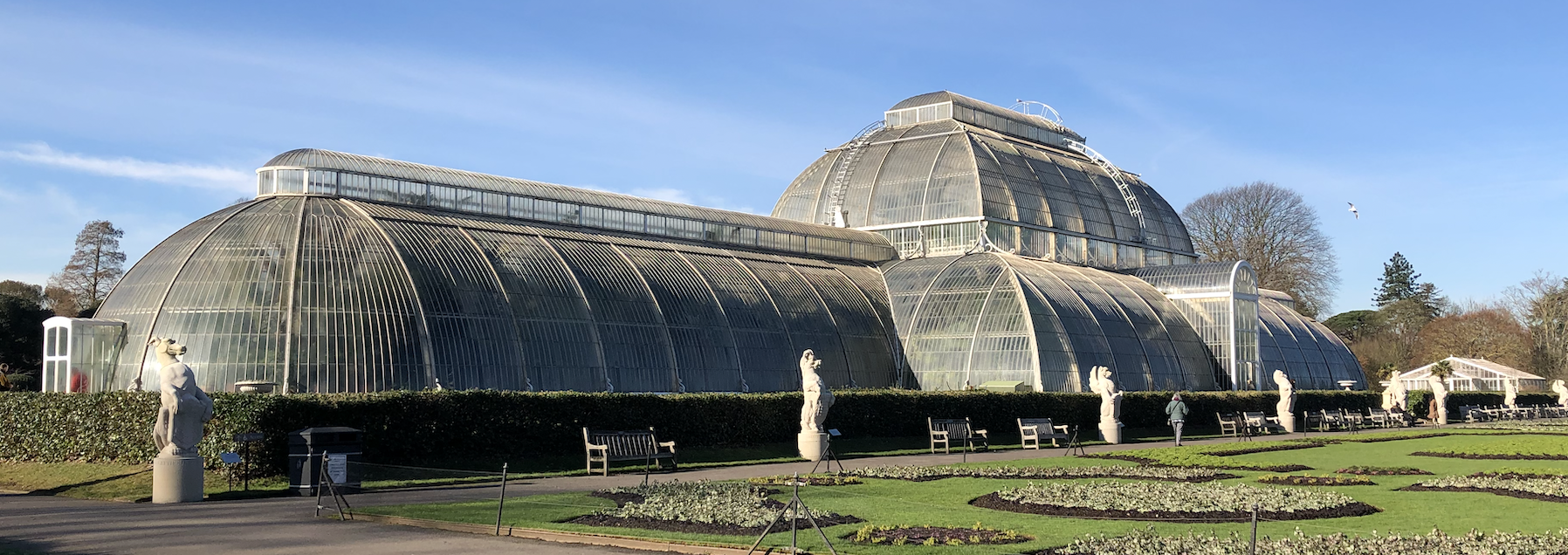
Palm House, Kew Gardens. Decimus Burton and Richard Turner, 1848. A “mansion architect’ and an iron fabricator join forces.
In 1835, remarking on hot-house construction in their Encyclopedia of Gardening,Loudon and Webb compared the emerging aesthetics of iron and glass to the dysfunctional efforts made by traditional architect to design greenhouses integrated with solid masonry houses. Their language is a bit florid, but their point, that style emerges from a logical application of available materials to desired functions, foretold Horatio Greenough’s essays on “Function and Form” in the 1850s, Louis Sullivan’s “Form follows Function” in the 1890s, and much of Corbusier’s rhetoric in the 1920s:
“The grand cause of the improvements which have been made in hot-houses may be traced to their being no longer, as formerly, under the control of mansion architects. To civil architecture, as far as respects mechanical and chemical principles, or the laws of the strength and durability of materials, they are certainly subject, in common with every description of edifice; but, in respect to the principles of design or beauty, the foundation of which we consider, in works of utility at least, to be ” fitness for the end in view,” they are no more subject to the rules of civil architecture than is a ship or a fortress; for those forms and combinations of forms, and that composition of solids and openings which are very fitting and beautiful in a habitation for man or domestic animals, are by no means fitting, and consequently not beautiful, in a habitation for plants….Fitness for the end in view, we repeat, is the basis of all beauty in works of use…”[i]
[J. C. Loudon [and Jane Webb], An Encyclopedia of Gardening. (London: Longman, 1835). 2449.
 architecturefarm