century and consumers–final review

Parth Solanki and Siddharth Shah (UIUC), with Alice Wimbe (SAIC)

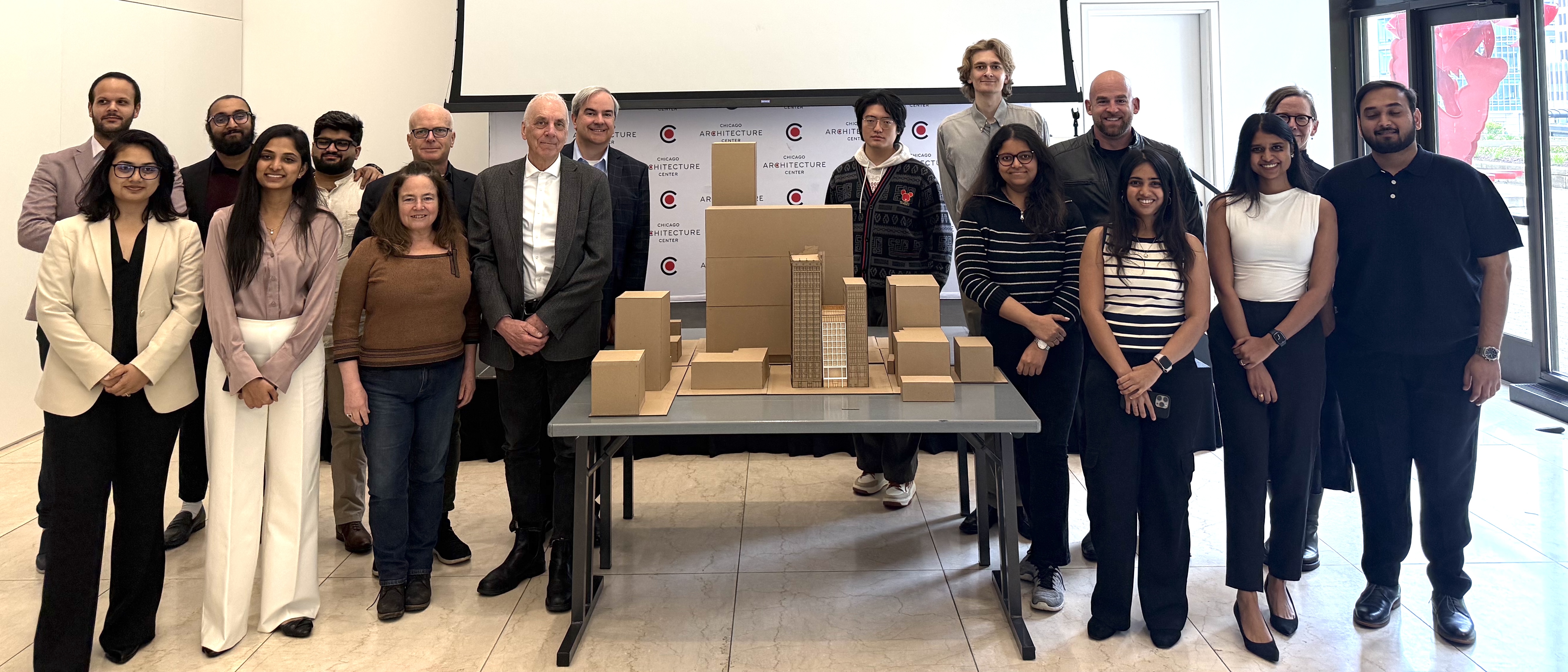
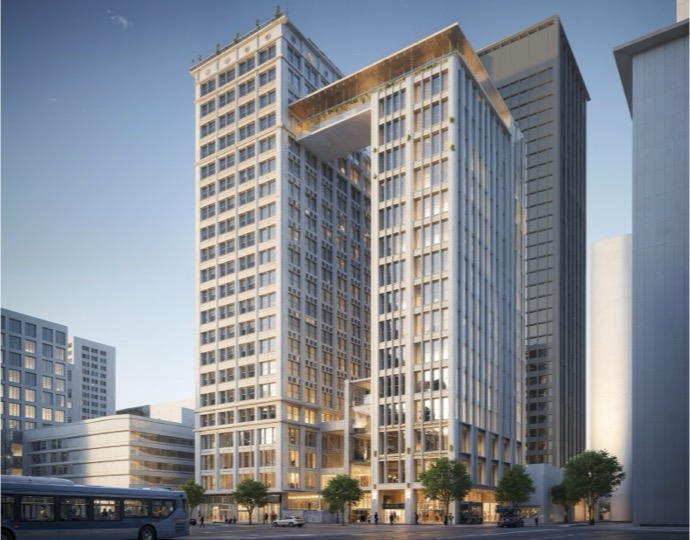
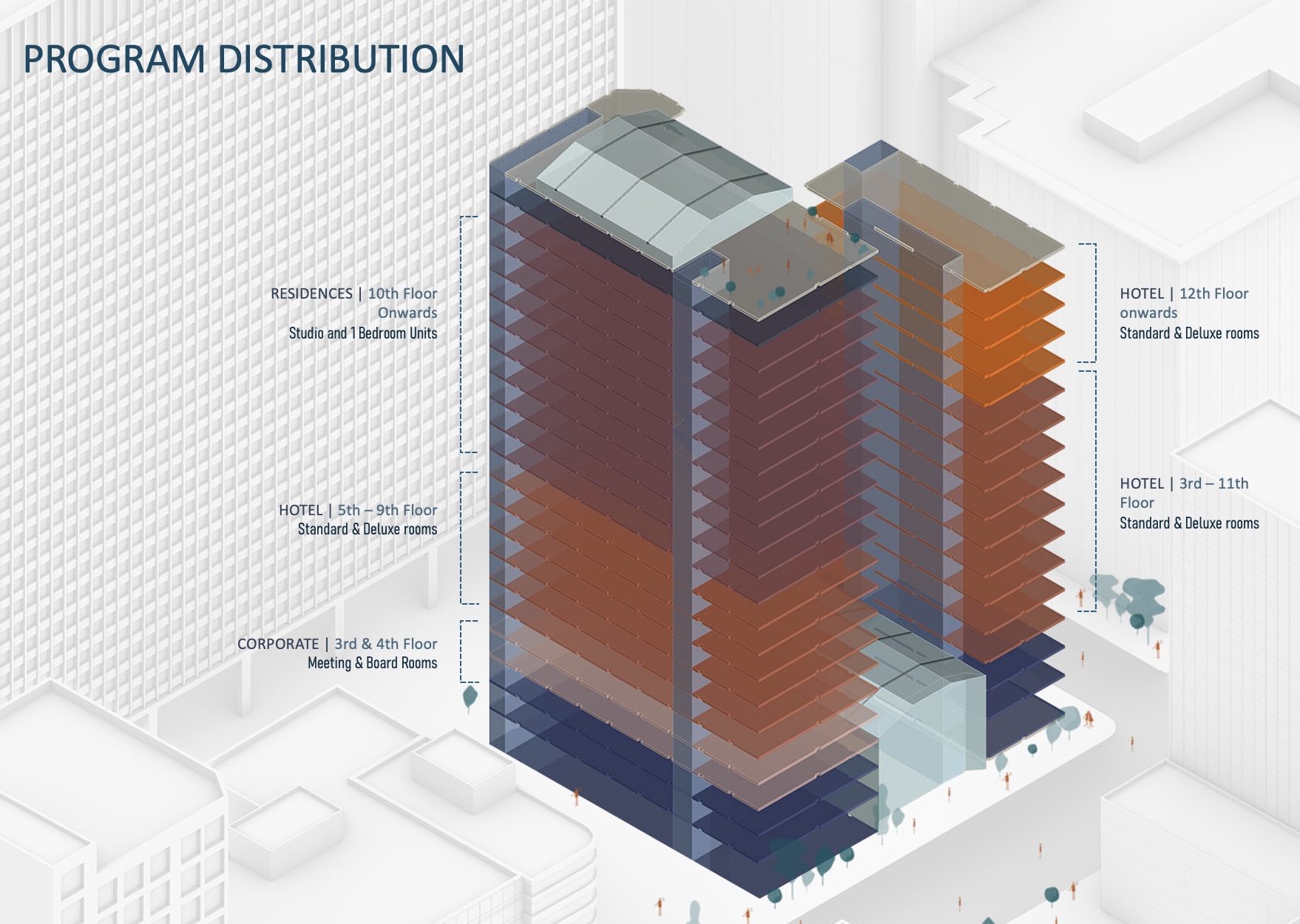
We finished up a challenging but exciting studio project this week with final reviews at the Chicago Architecture Center–many thanks to CAC for hosting. The project has been a visionary adaptive reuse of the Consumers and Century Buildings, at State and Adams Streets in the Loop. As previously noted, these buildings are threatened as the Federal Government seeks to address security issues with the Dirksen Federal Courthouse next door. Landmarking by the City of Chicago has forced the government to solicit proposals for developing the two structures, but their RFP puts onerous restrictions on their use. Our studio sought ways to develop the buildings as residential and hotel structures while addressing issues of sightlines and proximity that, understandably, have the GSA worried.

Sharanya Mathrudev and Elizabeth Tabisz (UIUC) with Rich McKee (SAIC)

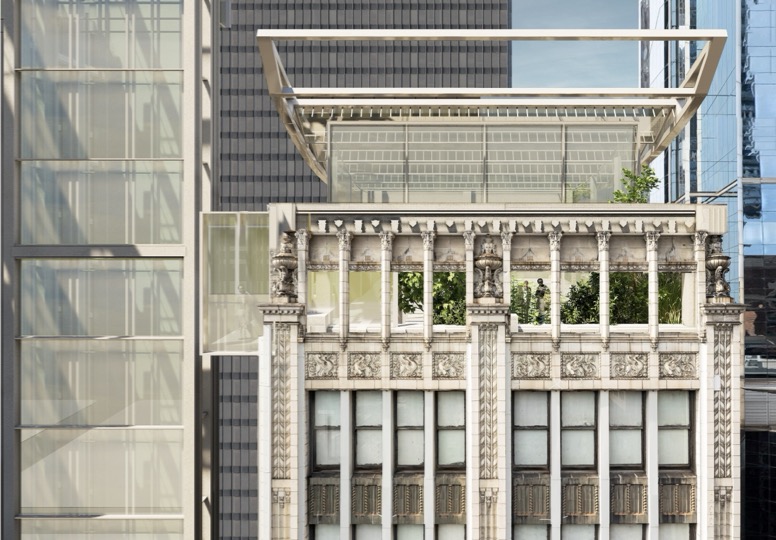
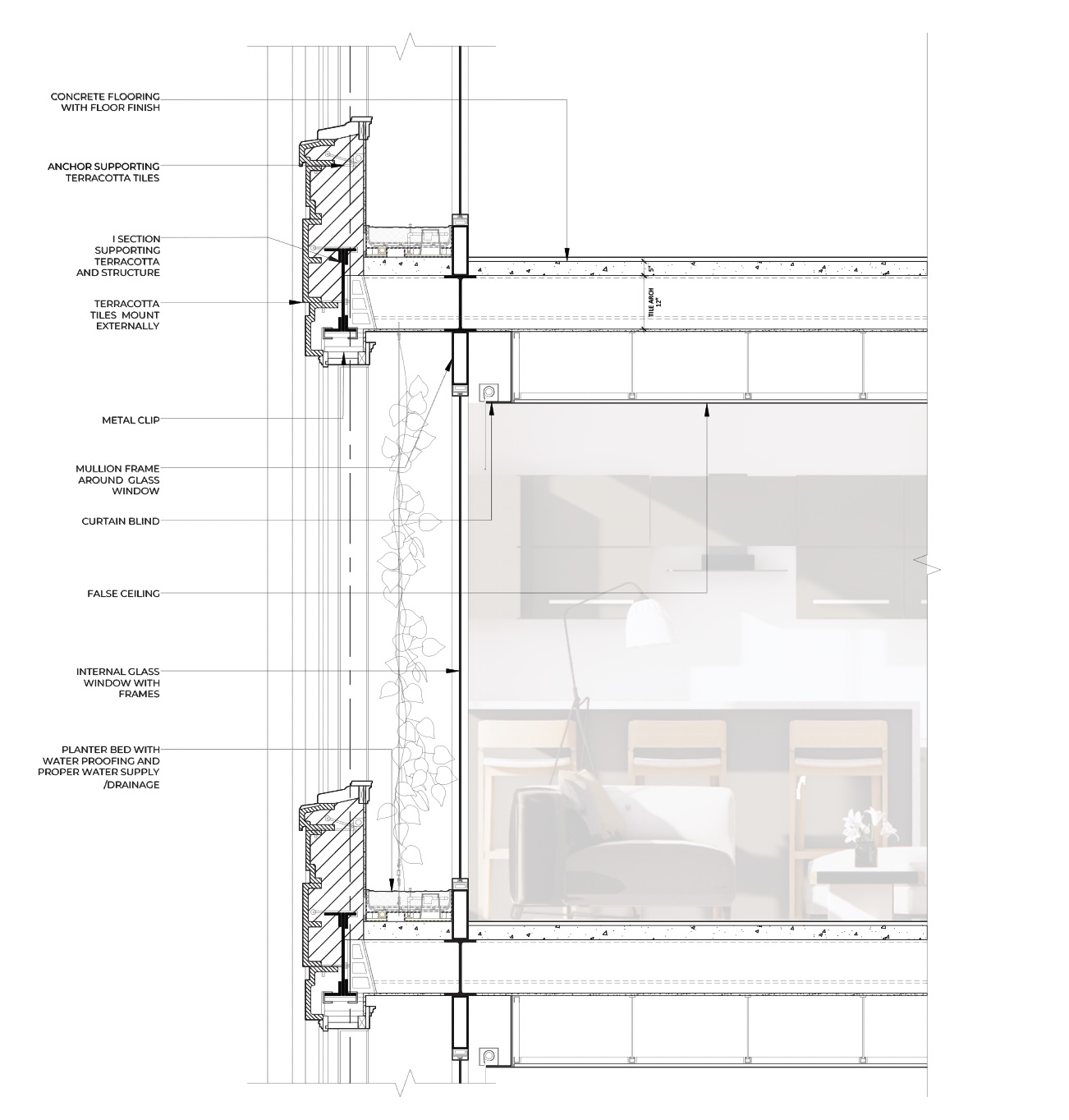
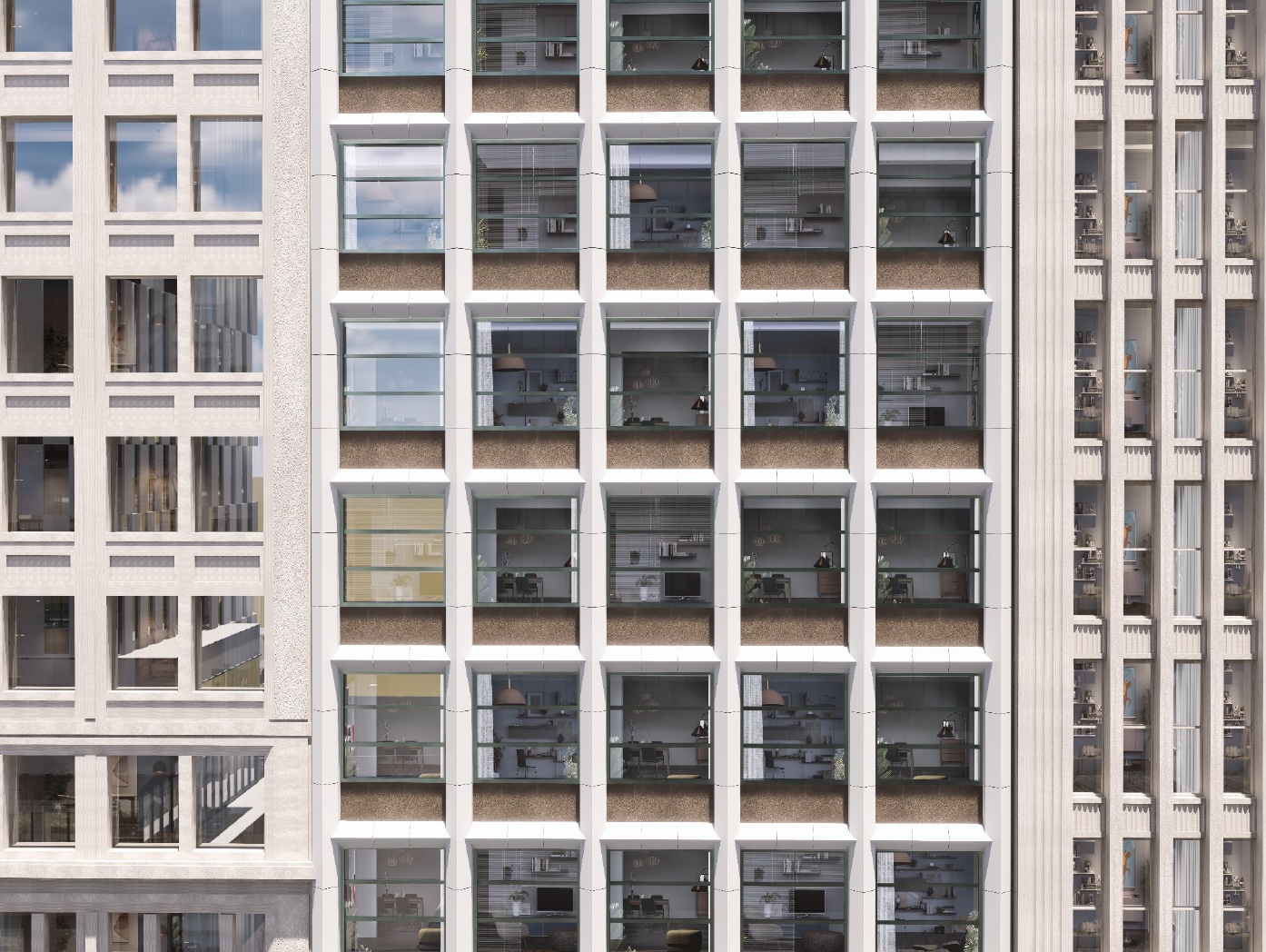
Student teams from our M.Arch. Program, working with historic preservation students from the School of the Art Institute, tackled this by looking at programming and detail strategies that carved apartments and hotel rooms out of the exiting building fabric while creating new semi-public spaces in the gap between the two buildings, all while focusing views and circulation toward the street and away from the courthouse and its associated exterior driveways, loading, and prisoner handling areas. We worked with Rachel Will and Kim Clawson, of Wiss, Janney, Elstner, Ken DeMuth of Pappageorge Haymes, and Mark Kuberscki of Central Building and Preservation to understand the conservation and restoration issues, but student teams had a long leash in considering how best to transform the two structures. The fact that both are “vernacular” skyscrapers–good examples but not, say, Sullivan masterpieces–allowed some creative extensions and additions that wouldn’t meet Secretary of the Interior standards, but that allowed some visionary thinking and innovative approaches, especially to the central space and the buildings’ rooftops.

Omar Abunnaja and Jasbir Bhamra (UIUC) with Katrina Lewis (SAIC)

Our jury included practitioners, preservationists, and engineers from firms in the city, who lived up to the challenge of critiquing a wide range of approaches. Many thanks to those who took part, and to a particularly energetic, dedicated group of students–hire these folks!


Noushin Anjum & Nupur Agarwal (UIUC), with Leah Zuberer (SAIC)
Anusha Ronda and Shravani Keesara (UIUC), with Tucker Jaroll (SAIC)
Odin Babcock and Deyang Hu (UIUC), with Zach Waters (SAIC)

spring 2025 studio–consumers and century

Photo: Ken DeMuth

So, define “high-rise studio…”

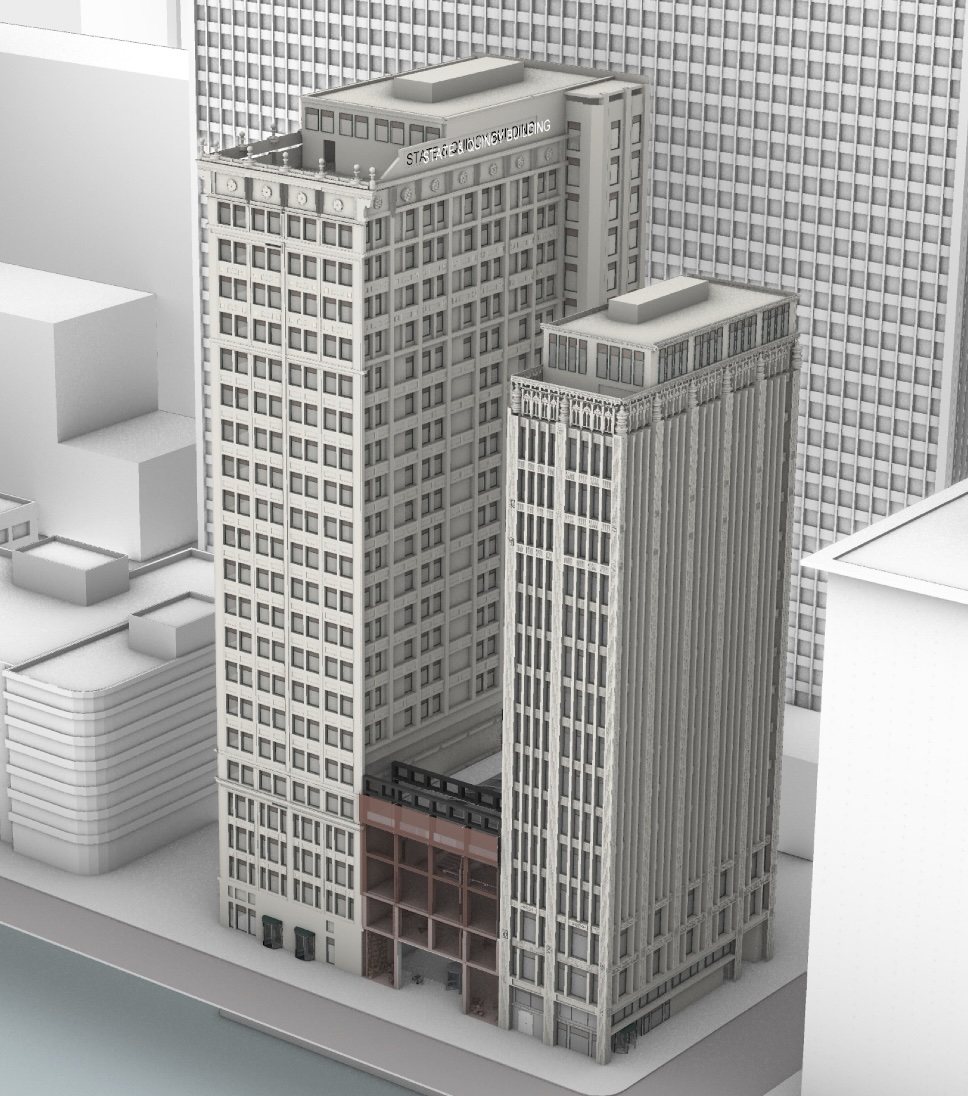
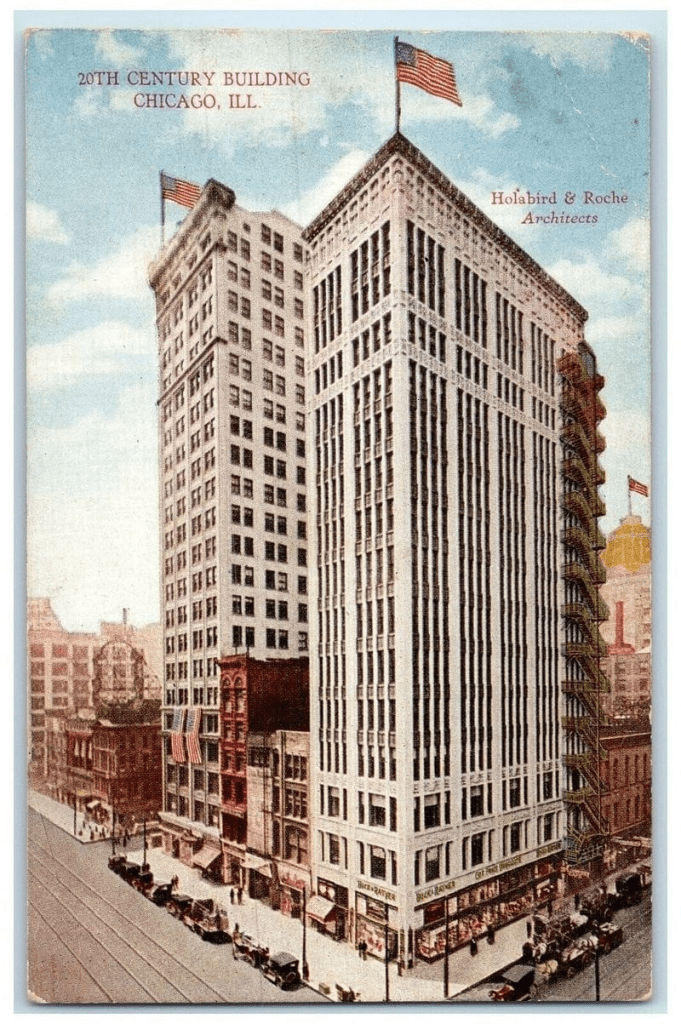
Preservation folks will recognize the buildings in the back there as the cause du jour. The Century Building (front, Holabird and Roche, 1915) and its taller sibling, the Consumers (behind, Mundie & Jensen, 1913), were typical of the commercial buildings constructed along State Street as it enjoyed renewed status as the city’s main retail thoroughfare. The two aren’t particularly distinguished, but they’re almost perfect representatives of the type, with tall retail storefronts, convenience offices on the second and third floors, and repetitive lease space from there to the attics. The Century is almost unique in its neo-Gothic styling for its time–relentlessly vertical, as opposed to the more stolid Consumers, which is strictly Burnham-esque mercantile classicism.

Preservation Chicago

Unfortunately for the two buildings, they’re immediately adjacent to the Dirksen Federal Building and Courthouse. The GSA purchased them in other early 2000s and vacated them, seeing their proximity as a security risk. The two have sat, empty, ever since, with all the deterioration from a lack of occupancy that you’d expect. Preservation Chicago named the two to their 2023 “Most Endangered” list despite plenty of interest in converting their relatively small lease spans and floor plates into apartments.

The federal government made no secret of its plan to demolish the two, which would actually open up a more significant security issue. The City of Chicago, in response last year, landmarked the two back in April, 2024, essentially forcing the GSA’s hand. They responded with a Request for Proposals that comes with a handful of onerous restrictions, including a ban on residential programs, which they see as potentially providing bad actors with open views of the courthouse offices and loading operations on Quincy Street.

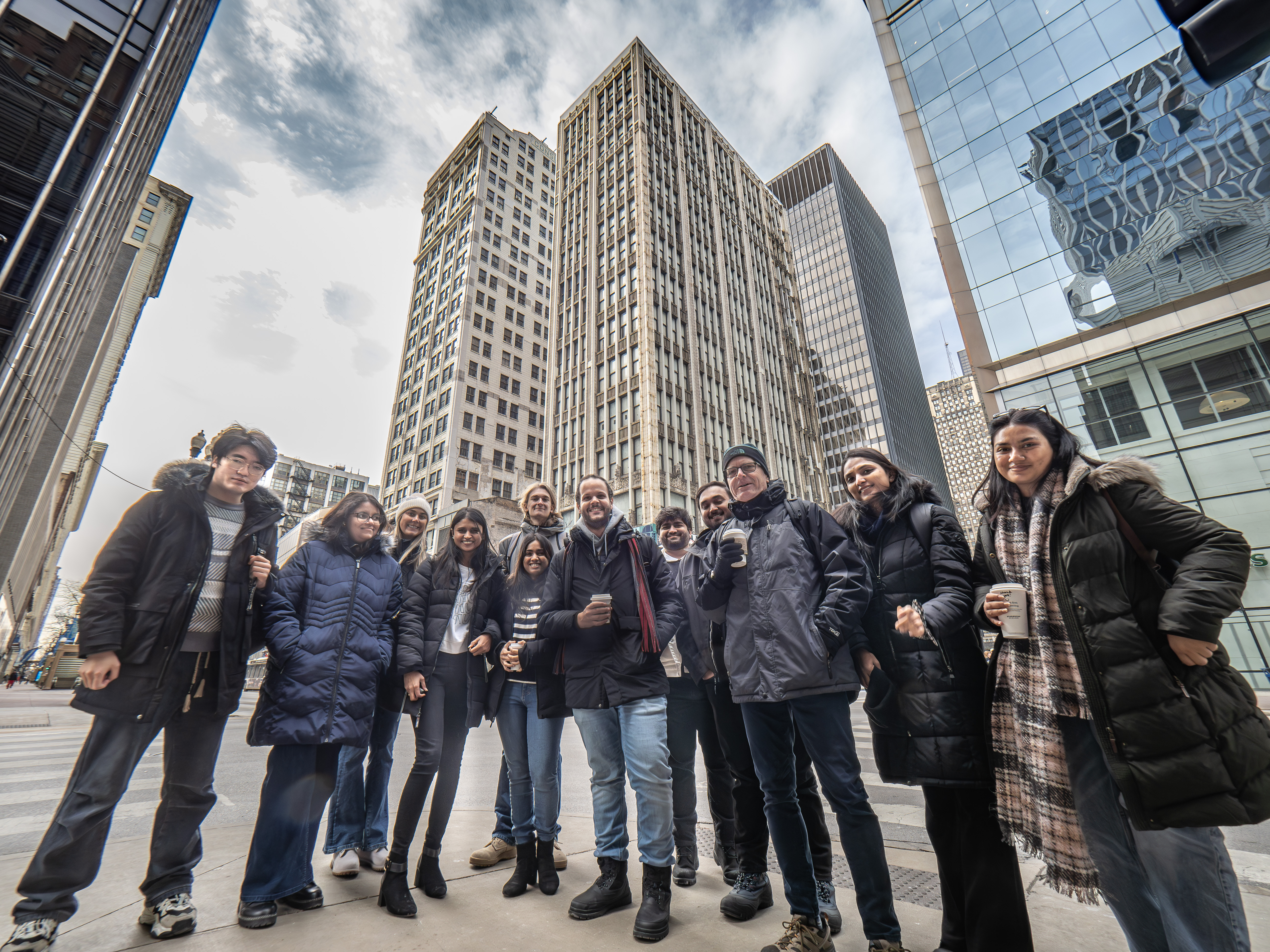
OK, fair enough, but what if…you could convince the GSA to design its way around those issues? That’s the premise of our spring studio–provide hotel and short-term apartment accommodation in the two buildings while taking the security concerns seriously. Last week, we met on site with Ken DeMuth of Pappageorge Haymes, one of the city’s leading designers in converting this era of skyscrapers into residential uses, as well as Mark Kuberski of Central Building and Preservation and Rachel Will of Wiss, Janney, Elstner–two of Chicago’s most knowledgeable preservation engineers, especially when it comes to the terra cotta cladding that (barely) covers the two towers.

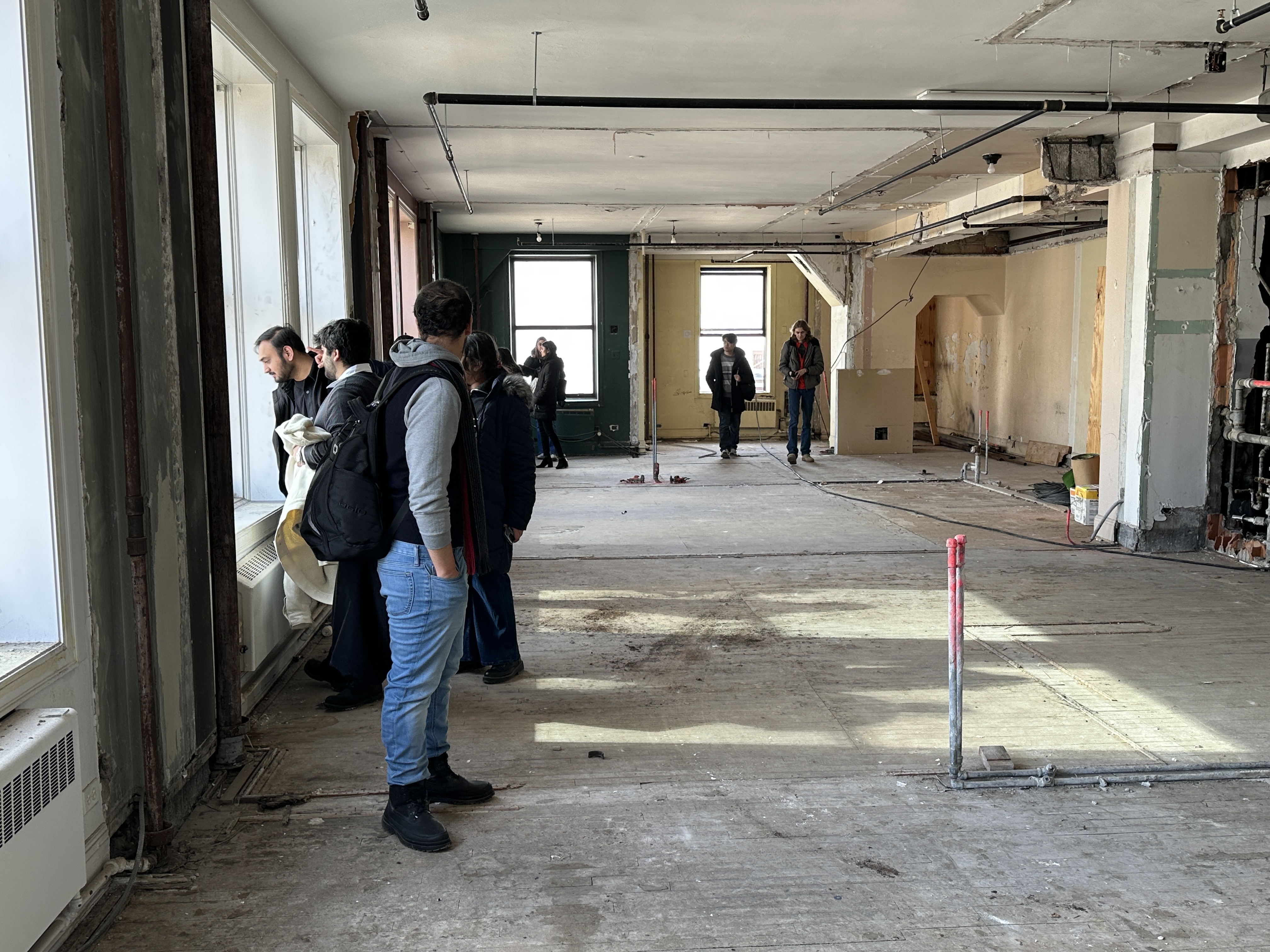
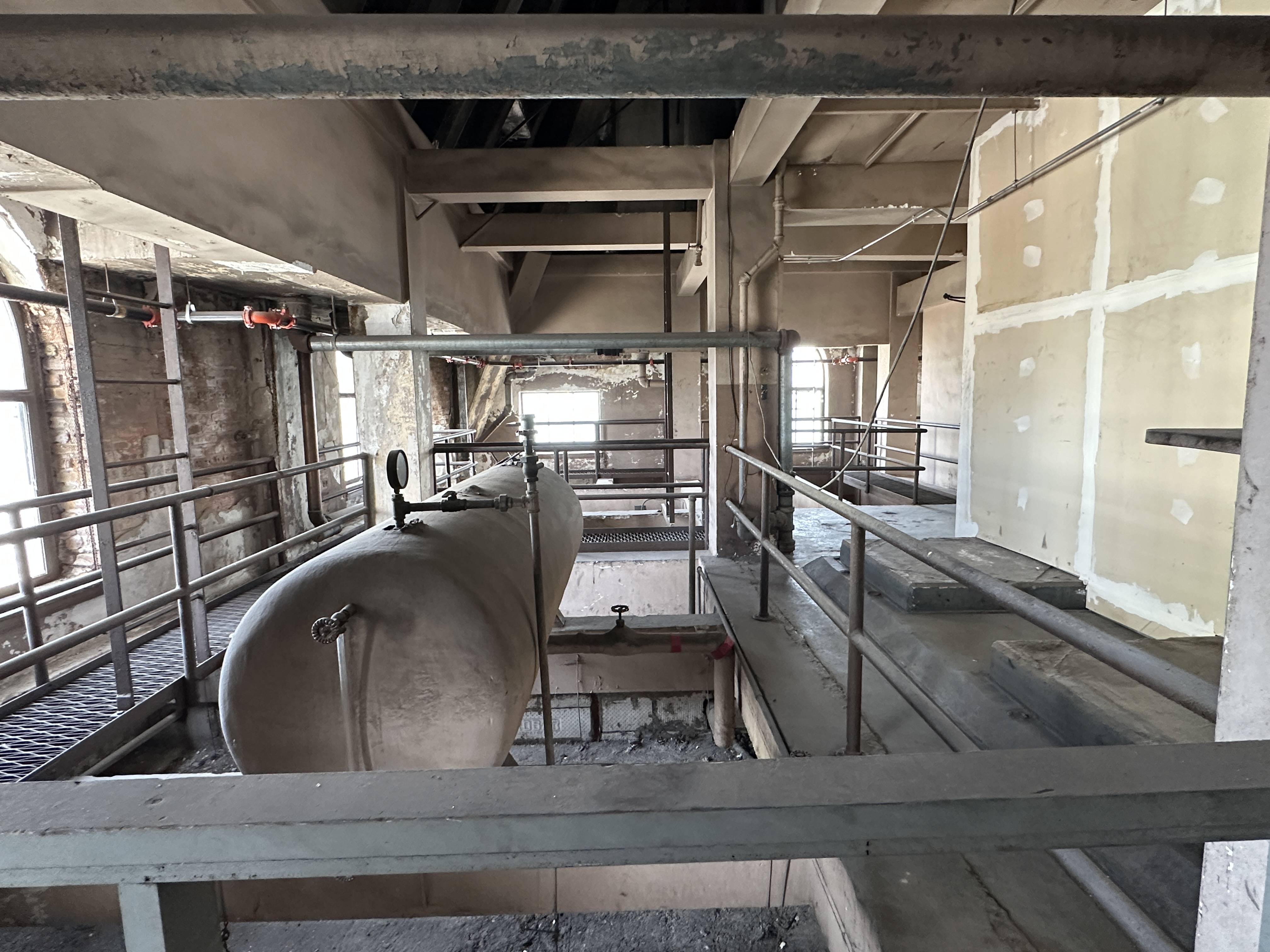
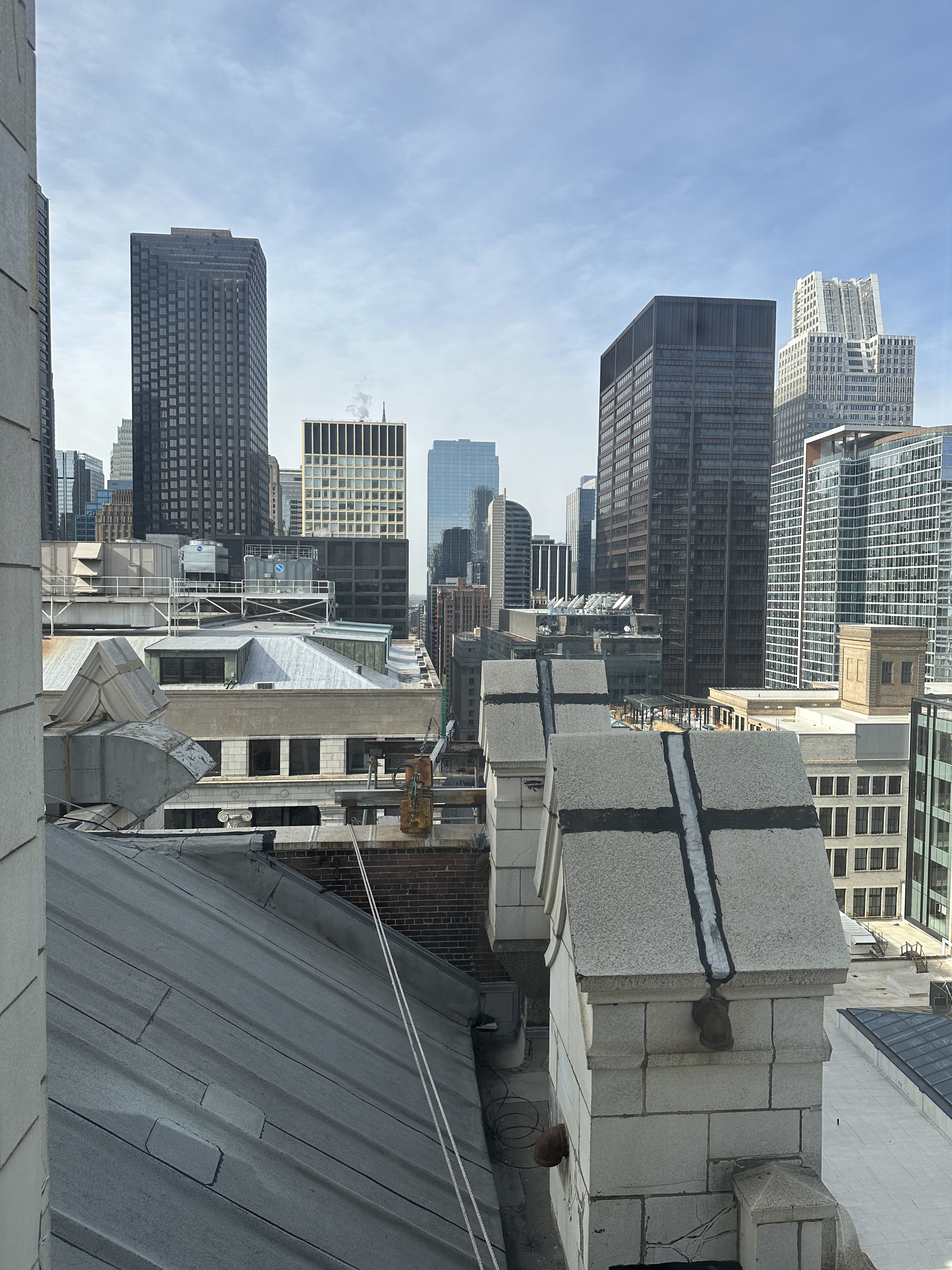
Not surprisingly, the GSA was not enthusiastic about students touring the buildings, but Ken got us into the Pittsfield Building, where residential conversion plans have been ongoing, so we got to see first hand what a vacated office building of (about) the same era presents in terms of spaces and details–including a bucket-list level visit to the mechanical penthouse in the peak of the tower, which would provide any rooftop apartment with a ready-made conversation pit:

We’ll see what this group comes up with, but we’re hoping to show that there’s room for cleverness in addressing the real security issues here, and to be part of the conversation about how important saving even these, ‘vernacular commercial’ structures will be to maintaining the Loop’s sense of history.

Watch this space…

prentice, pan am…

It’s been an upbeat week for me with a good five days of book-related talks and meetings in Chicago, but all of that has come with two bits of genuinely frustrating preservation losses.
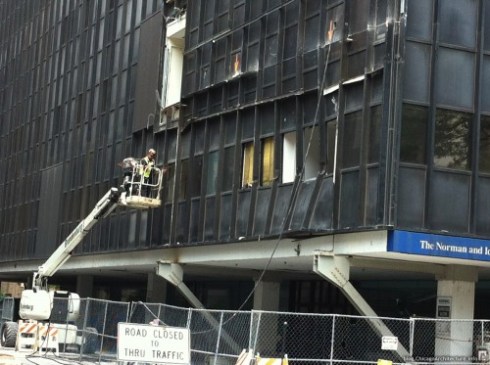
ImageAs reported by the Chicago Architecture Blog, among others, Northwestern has begun demolition work on Prentice Hospital, Bertrand Goldberg’s four-petaled concrete tower in Streeterville.  While the work so far has been limited to the lower, podium piece of the pavilion, this seems to mark the end of one of the most visible–and almost miraculously successful–preservation fights in the city’s recent history.  Northwestern has argued that the building, designed primarily for labor and delivery, couldn’t be economically renovated or transformed.  And while the 2012 Burnham Prize competition offered some dramatic proposals, none of them caught on with the Hospital or the development community, and after a lengthy (and confusing) administrative and legal battle, the Commission on Chicago Landmarks finally denied the building protected status in February.
Image

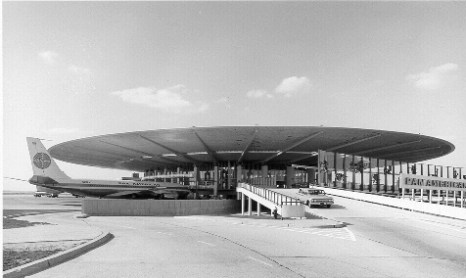
Meanwhile, across the country, Delta Airlines has started preliminary demolition work on Terminal 3, the original Pan Am Worldport.  The group Save the Worldport posted yesterday that the edges of the terminal’s roof were being dismantled, and while the airline has said this is only preliminary asbestos abatement work, it looks both destructive and irreversible.  The airline offered similar rationales for the demolition–obsolescence, changing requirements, along with an undercurrent of changing stylistic preferences.  In this case, a good bit of the original’s charm had long since been obliterated by additions in the late 1960s, but even these claustrophobic extensions were historically relevant, as they showed the profound changes in airport planning and architecture wrought by the onset of the 747.

In both cases, it’s been an uphill battle to rally the public to the cause.  Postwar modernism remains a tough sell to a public whose vision of a ‘historic’ building involves bricks and turrets.  But these two examples are important case studies of what we stand to lose.  Many of the same arguments being made by the owners of postwar structures today–that these buildings are obsolete, that they’re outdated, that people think they’re ugly, , they can’t economically be renovated, and that a new building will serve the organization’s purpose better–were the same arguments being proffered in the 1950s and 1960s when countless historic commercial structures in America’s downtowns were wiped out.

There’s an understandable argument that owners shouldn’t be burdened with a legacy of buildings that are either inefficient or that genuinely stand in the way of getting business done.  I’d be the last to argue that either of these buildings rise to the level of being museum pieces–that is, structures that ought to be preserved even if there’s no function associated with them.  Both are big buildings in the middle of complexes that have onerous requirements for space in tightly delimited urban areas.  Anything that makes JFK more navigable would be worth listening to.

But with Prentice and Pan Am there seems to have been a dearth of real thought about how the structures might themselves anchor new development or construction.  The Burnham Prize visions for Prentice were, in many ways, disappointing–they were almost entirely conceptual, with no attempt to understand or explore the economics or planning involved in the rigidly laid out concrete structure.  For anyone interested in actually saving the building, this was rearranging the deck chairs after the iceberg, arguably a genuinely irresponsible capitulation to the simple, unconvincing argument that we ought to just save whatever the historians say is worth saving.  Preservation has to be a win-win-win situation to work, and if that brainpower had been applied to understanding the limits of the plan as put forward by Northwestern, and juggling ideas about reinhabitation either as a lab, as some studies tried to do, or as something new–boutique hotel in a part of town that’s a bit underserved by the new lodging boom?–just such a redevelopment might possibly have emerged.

No such competition was held for Worldport, though the possibilities of restoring a jet-age landmark to its ‘vaporous’ early glory might have created a fantastic entry space to JFK, one that could have oriented people, offered a hub for light rail or buses, or even provided space for retail and dining.  The original building proved a popular destination for plane-watching New Yorkers, complete with a white-tablecloth restaurant overlooking the tarmac.

Here’s a thought.  Let’s say that an organization that owns an historic building wants to tear it down.  There’s a debate, series of hearings, etc.  But instead of just an up or down vote, what if city landmarks commissions had a third option, one that required owners to do two things.  First, a fully sponsored ideas competition that would solicit redevelopment schemes for the property in question, with a commitment to follow through with a feasibility study for the top three schemes.  No commitment beyond that necessary, but imagine what would happen if an owner suddenly realized an opportunity for profit that also put them in the public’s good graces?  Second, if in fact the economics prove intractable, then the owner would be required to hold an international competition for whatever the new construction would be.  There’s no guarantee there of something wonderful, of course, but at least there’d be some attempt to replace quality with quality, instead of the run-of-the-mill design for which both of these sites seem to be destined…
national trust’s 11 most endangered…

…is out this morning, and it includes the Pan Am Worldport at JFK.  This structure has always been the TWA Terminal’s less-known cousin, but it’s concrete parasol and glassy interior made one of the greatest statements about jet age architecture and fashion (quick–how many airline terminals do you know that have been featured in Vogue?  The image there is from a spread in that mag in 1961…)

This one’s kind of personal–my master’s thesis focused on airport design and looked at the transformation of this jewel-like bit of aeronautical architecture’s transformation into the lumbering, jumbo-ready building that it is today.  There’s a good story there about the very fine line between the ethereal aesthetics of the original and the utterly disorienting, systems-based planning of the addition.

New York’s Port Authority has plans for the site that involve demolishing the structure in its entirety–there’s a group fighting to save the building, though, and they’re worth checking out.

The list also includes the Houston Astrodome, among older structures, and the James River in Virginia.

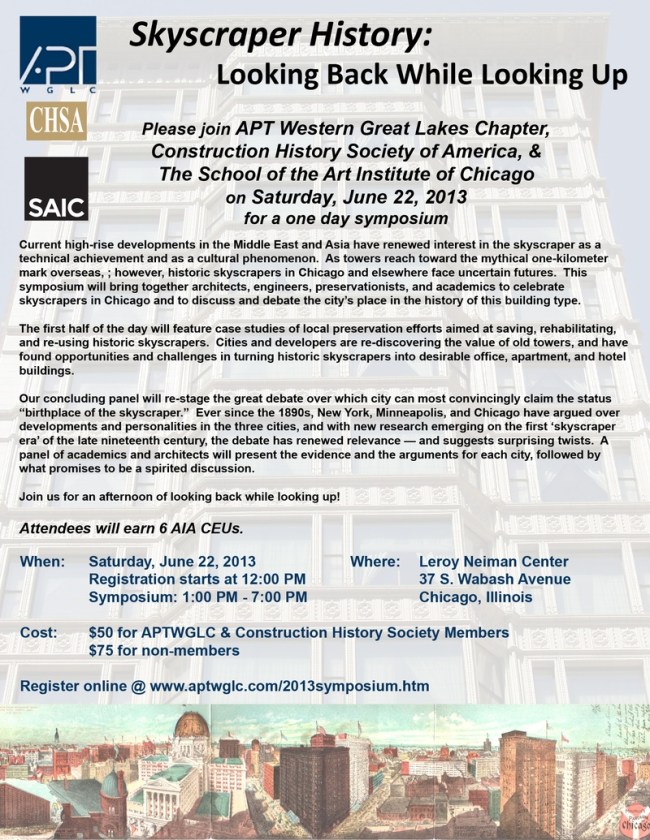
APTWGLC/CHSA Skyscraper Symposium 22 June, 1:00-7:00

ImageDetails have firmed up for next weekend’s symposium on historic skyscrapers–it promises to be a solid afternoon with an all-star cast of preservationists.  And the debate that I’m taking part in should be both enlightening and enjoyable.  The New York/Chicago fight has a 120-year track record, and Don Friedman and I have been happy to carry our respective flags for the last few years.  Adding Minneapolis, and one of their leading preservation engineers in Meghan Elliott, should provide an even wider discussion.

Anyway.  Thanks to Rachel Will at WJE for organizing, the schedule (always subject to change) looks like this:

Historic Skyscrapers

A Joint Symposium sponsored by APTWGLC and CHSA

22 June 2013

Nieman Center, SAIC, 37 South Wabash Avenue, 1st Floor Event Space

12:15            Registration and refreshments

12:50            Welcome, Introduction Rachel Will, APTWGLC President, WJE Chicago, IL

1:00            The Evolution of the Skyscraper, Dr. Shankar Nair, EXP, Chicago, IL

2:00            Evaluation and Repair of Historic Skyscrapers, Ed Gerns, WJE, Chicago, IL

3:00            Break

3:15            Preserving the Mies Skyscraper, Mark Sexton, Kreuck and Sexton, Chicago, IL

3:45            The Skyscraper Today, Aaron Mazeika, SOM, Chicago, IL


4:45            Break and Brief presentations by representatives of: APTWGLC, CHSA, AIA Historic Resources, Landmarks Illinois, SEAOI

5:00            The Great Debate:  What city can claim to be the home of the skyscraper?


5:00-5:30  New York and the Birth of the Skyscraper:  Don Friedman, Old Structures, Inc., NYC, NY


5:30-6:00  Chicago: Thomas Leslie, Iowa State University, Ames, IA


6:00-6:30  Minneapolis:  Meghan Elliott, Preservation Design Works, LLC, Minneapolis, MN


6:30            Q&A, Town Hall Debate Style Discussion

We plan to continue the Town Hall Debate at one of Chicago’s fine watering holes afterwards, of course.

Registration is required, and the fee is discounted if you’re an APT member.

wrigleyville or rosemont?

This rendering of Wrigley Field shows the proposed 6,000-square-foot video board in left field, including advertising on either side and on top. The drawing also includes a new, 1,000-square-foot ribbon advertisement in right field, a new LED board in front of the left-field bleachers, advertisements near the left and right-field foul poles and a new LED board in center field above the batter's eye backdrop. In all instances where Wrigley Field appears in the rendering, an advertisement would take its place.As a nominal Cubs fan, I’m as interested as anyone in the outcome of the Ricketts family vs. the entire world saga that’s going on right now.  The plan announced earlier this week to renovate and expand Wrigley Field was no surprise to anyone–big signs and scoreboards featuring plenty of ad space, some not-undesirable concourse improvements (save the troughs!) and the by now standard-issue historicist-lite satellite buildings (including a hotel on the site of a McDonalds that holds a dear place in the heart of everyone who went to Wrigley as a 12-year old and stopped for a burger and fries first).  From an architectural point of view it’s all fairly predictable, not inspiring, probably smoothing out a few too many rough edges, but undoubtedly welcome to the team’s demographic.

The controversy now seems to revolve around an increased night game schedule, the scale of the hotel, and–inevitably–the fact that the signage will impinge on views from the neighborhood rooftops, a business venture that started as a fairly charming goof and is now so thoroughly corporatized that the rooftop seating comes with concession stands.  Whether all of these might get ironed out or not is small beer, though, compared with the disastrous PR strategy being pursued by the Ricketts and the city, which seems to have been premised on shoving whatever the team asked for down the neighborhood’s throat.  Ricketts has–again–threatened to move the team to a site in Rosemont–at the end of one of O’Hare’s busiest runways, which no one seems to have noticed–and what could have been a conversation about how the team and the neighborhood co-existed has become an all-out ground war.

This rendering looks north on Clark from the intersection with Addison. On the left is the proposed hotel, health club, dining and retail development. On the right is the plaza planned by the Cubs along with an office building for the team. An elevated walkway over Clark Street would connect the two spaces. The obelisks on the plaza would feature static advertisements.What makes this interesting is that Wrigley is one of the shining–but unspoken–examples of how preservation can, in fact, be good for business.  Tom Ricketts is quoted as saying “”All we really need is to be able to run our business like a business and not a museum,” a line that preservationists hear all the time.  But Wrigley isn’t like a museum–it’s a bit like the 96th, the restaurant on top of the Hancock building.  No one really goes to the 96th to get the best meal in town, they go for the view.  And as long as I’ve been a fan, the ‘product’ the team has put on the field has been, with a few exceptional years, pretty terrible.  But attendance at the ballpark hasn’t been–in fact, if you look at their W/L record side-by-side with their attendance figures, you can see that people go to Wrigley no matter how bad the team is.  Last year?  Their W/L record was barely a good batting average.  Yet attendance was over 2,800,000.  (Attendance last year at the Museum of Science and Industry?  1,500,000.  Sounds like Wrigley’s outperforming other ‘museums’ pretty well).

Like the view from the 96th, one of the big appeals of going to a Cubs game is the park itself.  They sell tickets to tour the park when the team isn’t even playing.  A long-held conspiracy theory among Cubs fans is that the team has never felt the need to field a good ‘product,’ because people will come no matter what happens on the field, especially if the weather’s good.  There is no urban sports experience left like the one at Wrigley or Fenway, where you can spend an afternoon in the sun watching baseball with pretty much the same view as someone three generations ago might have had.  Add to that being in a real neighborhood, where you can walk across the street and enjoy a cold beverage in the company of a few (ahem) other fans to round out the afternoon?  Never mind being able to walk or take the El and avoiding the drive home.  That’s a huge draw whether the team is winning or losing.

The threat, currently, is that the team can build an ‘exact replica’ of Wrigley on the Rosemont site with hotels and parking that would be far more convenient for the suburban fan.  True enough.  But the ridicule that this suggestion has met so far illustrates just how much value can be associated with an historic building and its relationship to its neighborhood.  I would bet almost anything against the team moving, because the Cubs would lose the single most important piece of their business plan–a beloved, reasonably efficient building that relates to its neighborhood, offers easy pedestrian and mass transit access, and a real connection to history.

The Red Sox went through a similar crisis twenty years ago, with an owner who claimed that the antiquated and cramped Fenway Park prevented the team from maximizing its profit potential.  Plans for a ‘replica’ park across the street, or alongside the Patriots’ stadium in Foxboro, all came to naught.  In part that was due to public opinion, but it was also due to a city government that refused to buckle to the team’s threat to leave the city.  Ultimately the bluff was called, ownership changed, and Fenway underwent $285 million of renovations, some of them controversial, others roundly welcomed (oh, and did I mention that the Sox finally won the World Series…twice).  While some of the new stuff at Fenway seems a bit over-sponsored and corporate, ultimately the park feels more or less like it did twenty or thirty years ago.  Hope Wrigley goes the same route, because its loss would be an unthinkable one for both baseball and for the city.